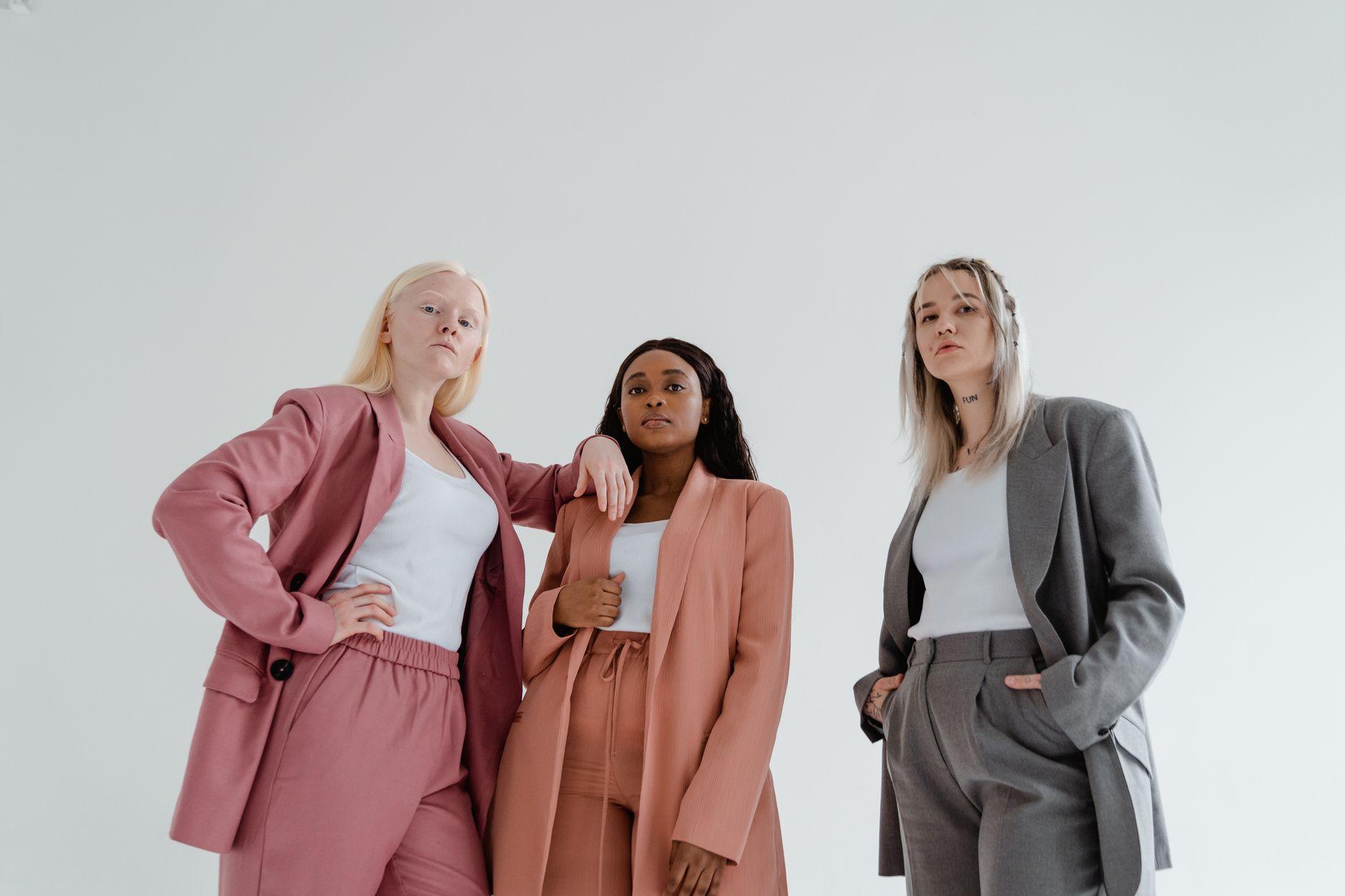
From Chameleon to Curator: Shifting Your Style from Trend-Hopper to Intentional Icon
I used to be that person, you know? The one who’d see something cool on TikTok or in a magazine and had to have it. My closet was a chaotic graveyard of one-season wonders: that neon green cargo vest, those ridiculously wide-leg jeans that were so out by the next fall, the corset top that I wore exactly twice. It was exhausting and, frankly, a massive waste of money. This is what dressing trendy feels like – a constant chase, always trying to catch up to the latest fleeting fashion. You see it everywhere, people buying fast fashion pieces because they’re “in” right now, without a second thought about how they’ll fit into their life or wardrobe six months down the line.
Intentional dressing, on the other hand, feels like taking control. It’s about building a wardrobe that truly reflects you and serves your lifestyle. Think about it: dressing intentionally means making conscious choices. It’s not about rejecting trends entirely, but about being discerning. Do I love that oversized blazer that’s all over Instagram? Maybe! But why do I love it? Does it fit with the silhouette I already gravitate towards? Can I see myself wearing it at least 15 to 20 different ways? If the answer is yes, then it’s a good candidate. If it’s a “no,” or a hesitant “maybe,” it probably belongs back on the rack, or at least, not in your cart. It’s the difference between collecting trendy trinkets and building a curated art collection.
It’s really frustrating when you realize how much you’ve spent chasing ghosts. I remember buying a pair of distressed mom jeans for almost $100 because they were the “it” jean of the year. Within a year, they looked dated, the distressing felt less edgy and more like accidental damage, and I’d already moved on to the next big denim thing. That’s the trap of trend-chasing: it’s a financial black hole. You’re constantly buying, wearing a few times, and then discarding. It’s a cycle that leaves your wallet significantly lighter and your closet overflowing with items that lack staying power. This isn’t sustainable, financially or environmentally, and anyone who tells you otherwise is probably selling you something.
Building an intentional wardrobe takes time, and it requires self-awareness. My personal journey started with a serious closet audit. I pulled out everything. Seriously, everything. I asked myself tough questions about each item: Did I wear this in the last year? Does it fit comfortably and flatter my body now? Does it align with my personal style and the image I want to project? This process was surprisingly emotional, shedding items that held sentimental value but no longer served a purpose. You can learn more about personal styling principles on websites like Forbes.
The biggest hurdle for most people, I think, is identifying their core personal style. You can’t dress intentionally if you don’t know what “intentional” looks like for you. Are you a minimalist who loves clean lines and neutral colors? Or do you lean towards bohemian vibes with flowy fabrics and bold prints? Maybe you’re classic with a preppy twist. Take time to observe what you naturally gravitate towards. Look at your favorite outfits, the pieces you reach for most often. What do they have in common? Sometimes, people think they have to fit into a pre-defined aesthetic, like “boho” or “edgy,” but true intentionality is about blending influences to create something uniquely yours. It’s like cooking; you don’t just follow a recipe, you add your own spices.
Once you have a clearer picture of your style, you can start making strategic purchases. This means investing in quality staples that will last for years, not just a season. Think a well-fitting camel coat, a classic white button-down shirt, or a pair of dark wash denim jeans that aren’t overly distressed. These are the foundational pieces of your wardrobe. Websites like Investopedia offer insights into evaluating value and longevity, which can be applied to clothing purchases as well. Building this core wardrobe can take a few months, or even a couple of years, depending on your budget and shopping habits.
A major downside to this approach is the initial investment. While fast fashion offers cheap thrills, building a durable, intentional wardrobe often requires spending more per item on higher quality pieces. You might spend $150 on a single sweater that will last five years or more, instead of buying three sweaters for $50 each that fall apart after one year. It requires patience and a shift in mindset from quantity to quality. You’re not just buying clothes; you’re investing in pieces that will serve you well for a long time. This can feel daunting, especially if you’re used to constant newness.
Don’t get me wrong, I still love a good trend sometimes. I’m not saying you have to dress like a librarian from the 1970s if that’s not your jam. The difference lies in how you integrate those trends. Instead of buying the entire trend outfit, maybe you pick one piece that speaks to you and style it with your existing intentional wardrobe. For example, if bright colors are suddenly everywhere, you might add a vibrant scarf or a bold-colored handbag to your usual neutral outfit. It’s about adding a pop, not overhauling your entire look. This keeps your style fresh without compromising your wardrobe’s integrity.
The real magic of intentional dressing is the time and mental energy it saves you. When your closet is filled with clothes you love and that fit well, getting dressed in the morning becomes a joy, not a chore. You’ll spend less time staring blankly at your clothes, wondering what matches. It’s a liberating feeling, truly. Think about how much mental real estate fashion anxieties occupy for so many people. Websites like NerdWallet provide general financial planning advice that can be adapted to prioritizing quality over quantity in your wardrobe spending.
Honestly, the most important thing you can do is stop buying things you don’t need. It sounds simple, but it’s the hardest part for so many of us. We get caught up in sales, in novelty, in the idea of what we should be wearing, and we forget what we actually want and need. So, next time you see something that catches your eye, ask yourself: Does this serve me? Or am I just serving the trend?
