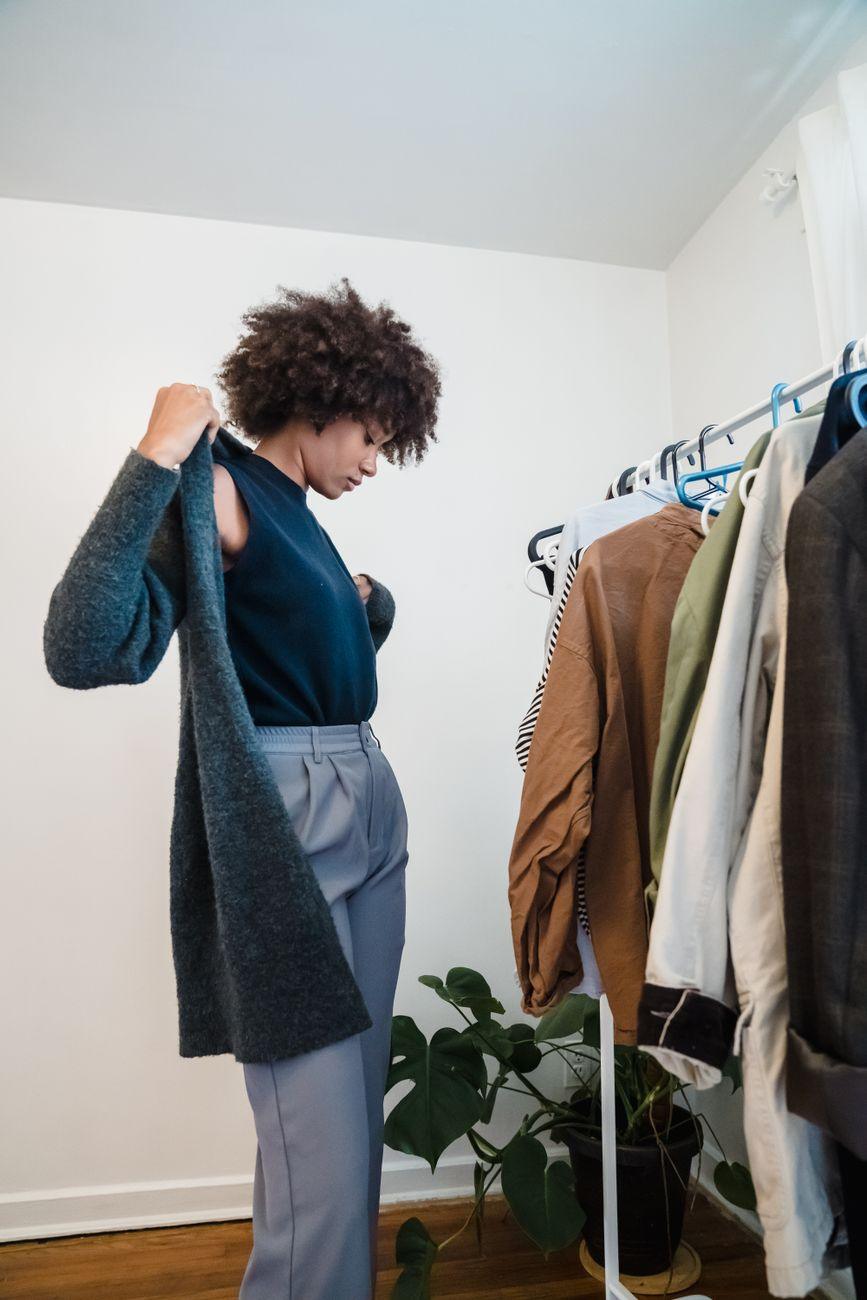
The Closet Paradox: How Less Stuff Equals More Minutes
I used to spend what felt like hours staring into my closet, a chaotic abyss of clothes I’d forgotten I owned. It’s a bizarre phenomenon, but the more clothes I accumulated, the harder it became to actually pick an outfit. This isn’t some abstract philosophical concept; it’s a very real time drain. Imagine having hundreds of shirts and still feeling like you have “nothing to wear.” It’s maddening! This feeling often leads to impulse buys, adding even more to the pile, creating a vicious cycle that steals precious morning minutes.
My own journey into a minimalist wardrobe started out of sheer desperation. I’d wake up late, frantically rummaging, and inevitably grab the same 3-4 go-to outfits because they were the only ones I could easily find and guarantee would look decent. The rest of my closet was essentially a graveyard of good intentions and past trends. It was then I realized that having more options wasn’t actually giving me more freedom; it was creating paralysis by choice.
This leads directly to the core idea: getting dressed faster often means owning less, not more. It sounds counterintuitive, right? You’d think a bigger wardrobe equals more choices and thus more speed. But it’s the opposite. When your closet is curated, with items you genuinely love and that work well together, the decision-making process shrinks dramatically. Think about it. If you have 5 perfectly fitting black t-shirts and 10 versatile blouses, picking one takes seconds. If you have 50 t-shirts, each with its own quirks and fit issues, you’re suddenly assessing fabric, color, and whether it has a faint stain from two years ago.
The frustration I felt when I discovered a perfectly good pair of jeans buried under a mountain of forgotten sweaters was intense. I’d spent money on those jeans, and they were practically new! This is the downside: a genuinely minimalist wardrobe requires a level of discipline and, frankly, letting go of items that might still be perfectly wearable but simply don’t fit your current lifestyle or aesthetic. It can feel wasteful at first. I remember boxing up dozens of dresses I hadn’t worn in 5+ years, and part of me felt a pang of guilt.
But the payoff in time saved is enormous. Consider someone with a capsule wardrobe, which typically consists of around 30-50 carefully selected items that can be mixed and matched. For them, putting together an outfit is less about choosing which item, and more about how they want to combine the limited, high-quality pieces they own. This approach has been championed by many, with financial experts like Forbes highlighting its potential for saving both time and money. It’s about intentionality. You’re not just buying clothes; you’re investing in pieces that serve a purpose and integrate seamlessly into your life.
My own closet now boasts around 60 items of clothing, including shoes and outerwear. The difference is night and day. What used to take me 10-15 minutes of stressful deliberation now takes me about 2 minutes, often less. It’s not just about speed; it’s about mental clarity. I’m not thinking about my clothes all day. My core pieces are versatile, like a great pair of dark wash jeans that can be dressed up or down, or a classic trench coat that elevates almost any outfit. This is supported by the general consensus on smart investing, where diversification and quality over quantity are key, a principle that extends surprisingly well to personal possessions according to Investopedia.
The true criticism, though, is that this requires a significant upfront investment of time and potentially money. You have to actually audit your current wardrobe, decide what stays, what goes, and then often buy replacements that are higher quality and more versatile. This isn’t a quick fix. It’s a project. And if you’re someone who genuinely enjoys the thrill of constantly changing trends and the novelty of a vast selection, a minimalist approach might feel restrictive. It can be a shock to realize that the hundreds of dollars you’ve spent on trendy, single-use items aren’t actually serving your daily life as well as a few well-chosen, enduring pieces would have, as NerdWallet often advises for smart consumer habits.
Ultimately, fewer clothes mean less sorting, less laundry, less decision fatigue, and more time for… well, anything else. It’s about reclaiming those stolen minutes and reducing the mental clutter that a packed closet inevitably brings. And honestly, I’m still surprised by how much happier I feel waking up to an organized, intentional wardrobe.
