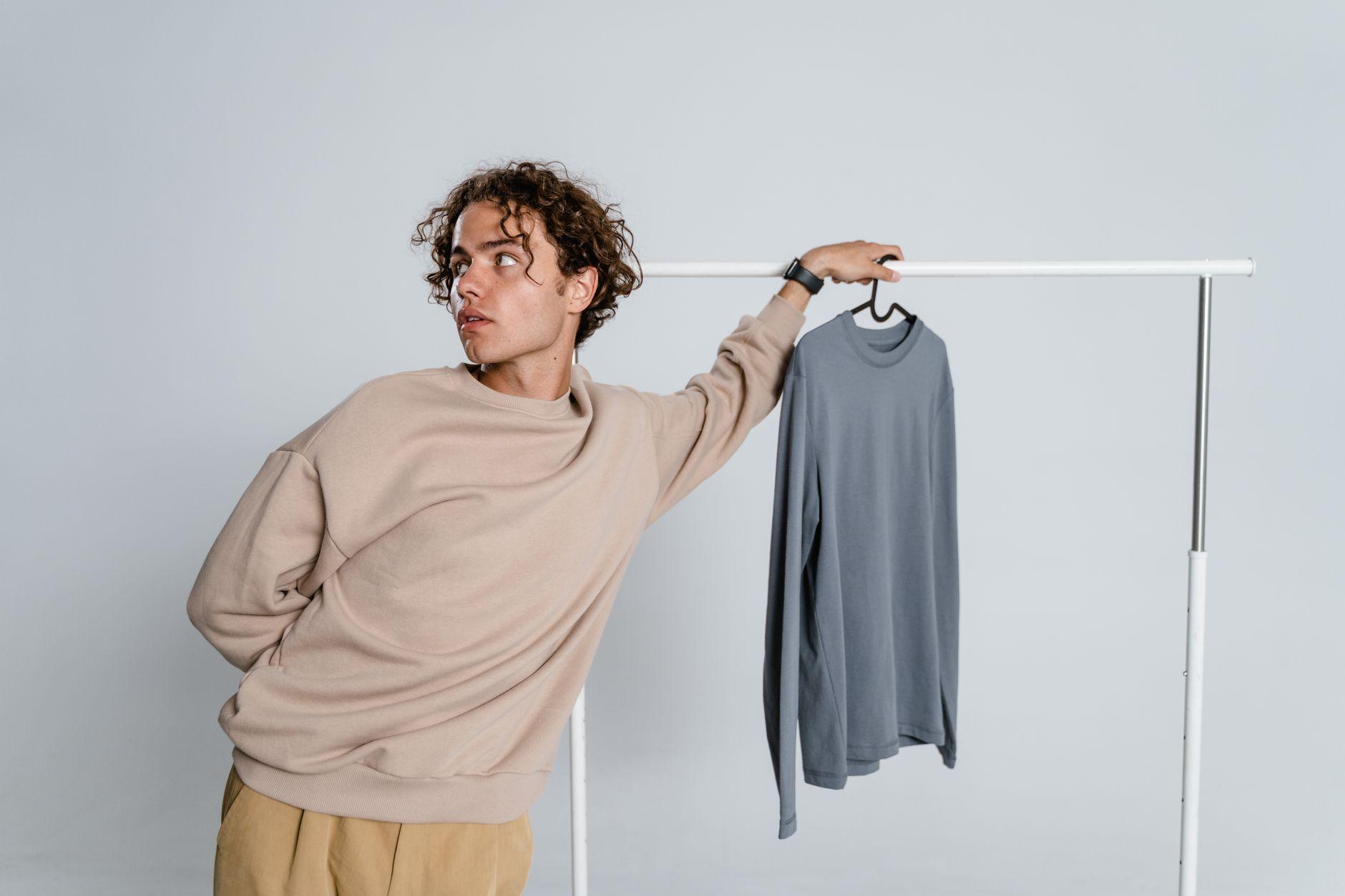
Ditching the Runway for Real Life: Why Your Wardrobe Should Reflect Your Hustle, Not a Magazine Cover
I used to spend an embarrassing amount of money trying to keep up with what was “in.” Think ripped jeans when I mostly sat at a desk, or ridiculously high heels for walking my dog. It was exhausting, and honestly, my closet was a mess of clothes I barely wore. The real revelation hit me when I realized I was dressing for a life I wished I had, not the one I was actually living. It’s about building a wardrobe that serves you, day in and day out, rather than chasing fleeting fashion trends.
My biggest complaint? The sheer waste involved in trend-chasing. You buy that brightly colored blazer because it’s all over Instagram, wear it twice, and then it sits in your closet collecting dust. Suddenly, your wardrobe is overflowing, yet you still feel like you have nothing to wear. This isn’t about being unfashionable; it’s about being strategic with your clothing choices and your money. Instead of a closet full of maybes, aim for a curated collection of pieces that genuinely work for your daily life.
Consider someone who works from home most of the time but has a couple of important client meetings each month. Their core wardrobe should prioritize comfortable, versatile pieces like well-fitting jeans, quality t-shirts, and a stylish cardigan. They don’t need a dozen pencil skirts or power suits. When those client meetings roll around, they can easily elevate their look with a sharp blazer or a statement necklace, rather than having to buy an entirely new outfit. It’s about smart layering and adding key accessories.
Then there are people who are constantly on the go. Maybe you’re a parent juggling school runs, errands, and the occasional social outing. Your priority is probably durability, ease of care, and comfort. Think about sturdy fabrics that can withstand a bit of wear and tear, stain-resistant materials, and shoes you can actually walk miles in without pain. A washable silk blouse might sound lovely, but is it practical when you’re dealing with spilled juice boxes? Probably not. A well-made knit sweater or a durable pair of chinos will serve you far better, and they can still look polished.
It’s a shame, really, how much pressure there is to constantly update our wardrobes. This relentless cycle encourages overconsumption and frankly, it’s bad for the planet too. The fast fashion industry, driven by these ever-changing trends, contributes significantly to environmental pollution and waste. For example, the Environmental Protection Agency (EPA) notes that textiles are a growing component of municipal solid waste. Buying into every new silhouette or color palette just fuels this unsustainable system.
My own closet transformation started when I sat down and honestly assessed my typical week. I realized I spend about 80% of my time in casual or business-casual settings. So, why did I own so many formal dresses? It was absurd! I began investing in high-quality basics that I could mix and match endlessly. A great pair of dark wash jeans, a neutral-colored V-neck sweater, a classic white button-down shirt – these became the foundation of my personal style. I learned that fit and fabric quality matter far more than any trendy detail. It’s like building a house; you need a strong foundation before you start adding decorative trim.
This approach also saves you a surprising amount of money. Instead of buying multiple trendy items that might cost you anywhere from $50 to $200 each and get limited wear, you’re investing in fewer, higher-quality pieces that you’ll use for years. Think of a well-tailored trench coat. It might cost you $150 to $400, but you’ll wear it for a decade, through countless seasons, and it will always look chic. Contrast that with a $60 trendy jacket that’s out of style by next year. Over time, the cost-per-wear of classic, lifestyle-appropriate pieces is drastically lower. For more on smart spending, NerdWallet offers some practical tips.
Of course, there’s a downside. Building a wardrobe of timeless essentials might feel less exciting in the short term than snagging the latest must-have item. You might get fewer compliments on your outfit day-to-day because you’re not constantly showcasing something brand new. It requires patience and a willingness to define your personal style beyond what’s being pushed by influencers. Sometimes, I admit, I still get a pang of envy seeing someone in a totally unique, runway-inspired look. But then I remember the sheer practicality and longevity of my own choices.
The goal isn’t to become a fashion bore. It’s about curating a wardrobe that makes you feel confident and comfortable in your actual life. When your clothes work for you, rather than the other way around, getting dressed becomes a joy, not a chore. It’s about aligning your outward appearance with your internal reality, which, if you’re being honest, probably involves more Zoom calls and grocery runs than runway strutting. Ultimately, a well-chosen capsule wardrobe can be more liberating than a closet overflowing with impulse buys. Learning to identify your true needs can even impact other areas of your life, like how you manage your finances – you can explore resources like Investopedia for financial planning related to lifestyle choices.
