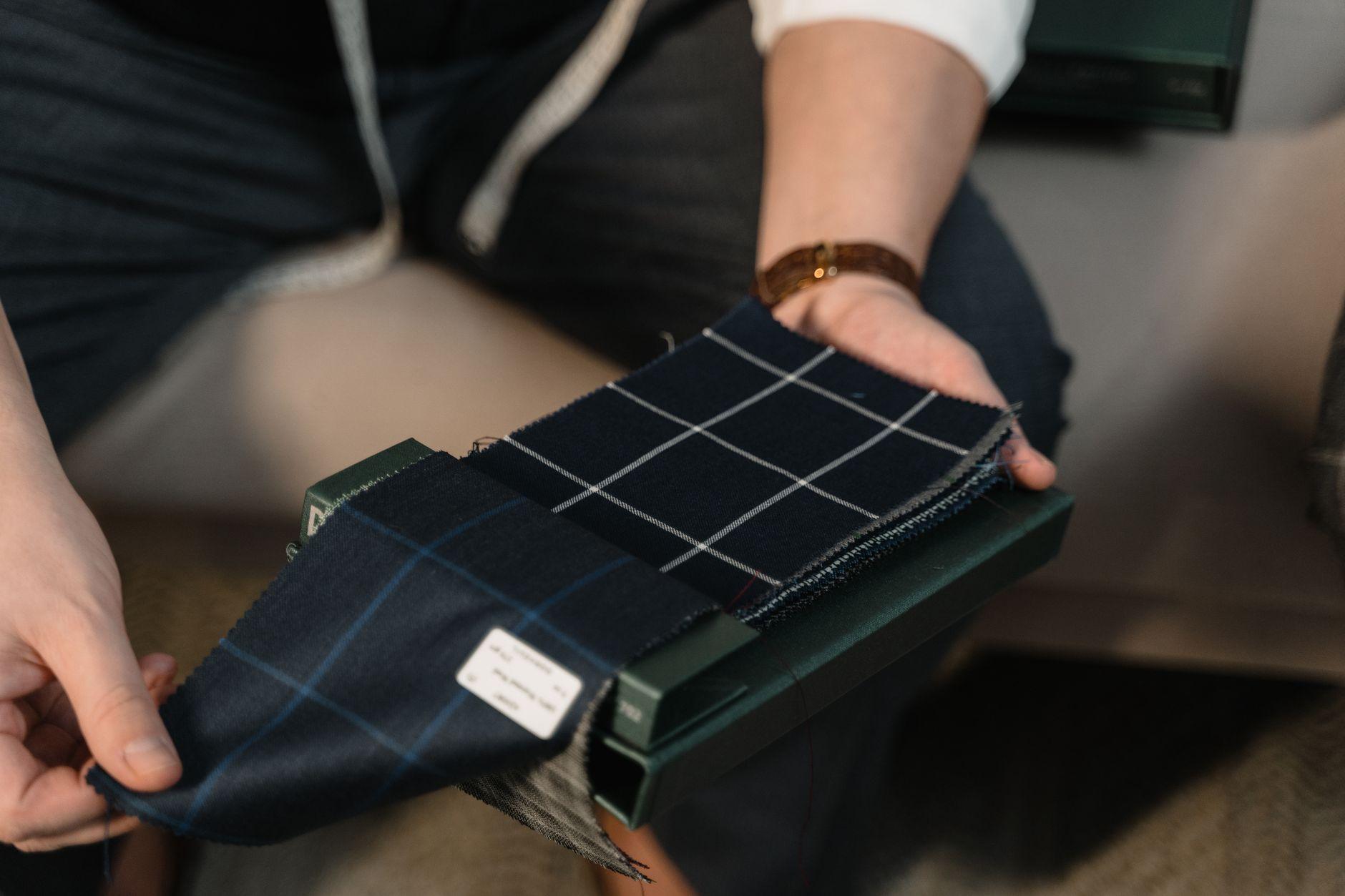
Dressing Smarter: Your Cheat Sheet to Spotting Great Fabric Before You Hand Over Cash
I remember buying this supposedly “silk” scarf once for a good $75. It looked gorgeous online, all shimmering and luxurious. But the moment it arrived? Total letdown. It felt… plasticky. Totally disappointed. You’ve probably been there too, right? That feeling of being duped by a shiny facade is the worst. Learning to spot good fabric quality is a superpower, and it’s not as complicated as you might think.
You can start by giving the fabric a good feel. Is it rough or scratchy? Does it feel stiff or strangely slippery in a bad way? High-quality natural fibers like cotton, linen, or wool usually have a certain softness and breathability. Think about a well-worn cotton t-shirt versus a cheap, scratchy one; there’s a world of difference. For synthetics, you’re looking for a smooth, almost buttery feel, not that cheap, stiff, or sticky sensation. A good price doesn’t always guarantee quality, but a suspiciously low price on something that should be expensive, like a cashmere sweater for $20, is usually a red flag.
Pay attention to how the fabric drapes. Does it hang nicely, or does it look stiff and boxy? A well-made garment made from quality material will often have a natural flow. Think about how a pair of well-tailored trousers moves with you versus a pair that just feels… dead. You can test this by holding up a piece of clothing and letting it hang. If it’s lumpy, uneven, or just doesn’t fall right, it’s probably not made with the best stuff. This is especially true for dresses and skirts, where the drape is crucial to the overall look and feel.
Examine the weave. Hold the fabric up to the light. Can you see through it easily, or is it tightly woven? A tight, consistent weave generally indicates better quality. For instance, a good cotton shirt will have a fine, even weave without a lot of gaps. If you see a lot of slubbing (thick knots or bumps in the thread) or unevenness in the weave, it’s often a sign of cheaper production. You might even spot loose threads or snags right there on the rack. That’s a pretty clear sign you should probably put it back.
And don’t even get me started on pilling. Oh, the horror! Seeing little balls of fuzz form after just a few wears is infuriating. Natural fibers can pill sometimes, but high-quality ones are far less prone to it. Cheap synthetics and blends are often the biggest culprits. If the fabric already looks like it’s been through the wash a dozen times before you even buy it, steer clear. It’s a frustrating waste of money and just adds to the ever-growing pile of “what was I thinking?” clothes in your closet.
Check the seams and finishing. Are the seams straight and neatly sewn? Are there any loose threads dangling? A well-constructed garment will have strong, even stitching, often with a double stitch in high-stress areas. Look at how the fabric is finished at the edges – is it a clean hem or a frayed mess? Sometimes you can even feel the difference in the seam itself; quality stitching feels secure and smooth, not bulky and rough. It’s like the difference between a handmade quilt and something mass-produced on a cheap assembly line. This attention to detail, or lack thereof, tells you a lot about the brand’s commitment to quality. According to Forbes, examining seams is a classic tell-tale sign.
Consider the weight of the fabric. Is it thin and flimsy, or does it have a satisfying substance to it? A heavier weight doesn’t always mean better quality, but it often does for materials like denim or wool. Think about a pair of heavyweight denim jeans versus a pair that feels like it could tear if you breathed on it too hard. That substantial feel often translates to durability and better longevity. You’re essentially looking for fabric that feels like it can stand up to actual wear and tear, not disintegrate after a few months. A lot of modern fast fashion seems to prioritize lightness over substance, which is a real bummer if you want your clothes to last. The trade-off between cost and durability is a constant balancing act for consumers, as highlighted by insights from NerdWallet.
And of course, there’s the label. Don’t just glance at it; read it. What’s the fiber content? 100% natural fibers are often a good indicator, but even then, the quality of the natural fiber matters. For instance, Egyptian cotton is generally considered superior to standard cotton. For synthetics, look for higher denier (a measure of fiber thickness) for better durability. Blends can be tricky; a small percentage of spandex for stretch is fine, but a high percentage of a cheap synthetic mixed with a natural fiber might just be a way to cut costs and compromise quality. You can find more about fabric compositions on Wikipedia’s textile pages.
Ultimately, buying less but buying better is the goal. It might mean spending a bit more upfront, maybe $50 to $100 for a decent shirt instead of $20, but that piece will likely last you years. The sheer volume of textiles produced globally, much of it ending up in landfills, is staggering. The environmental impact of fast fashion is immense, and recognizing fabric quality is a small but significant way to push back against that tide. But even with all this advice, sometimes you’ll still end up with a dud; that’s just the universe’s way of keeping you humble.
