When Your Go-Tos Are Just… Gone
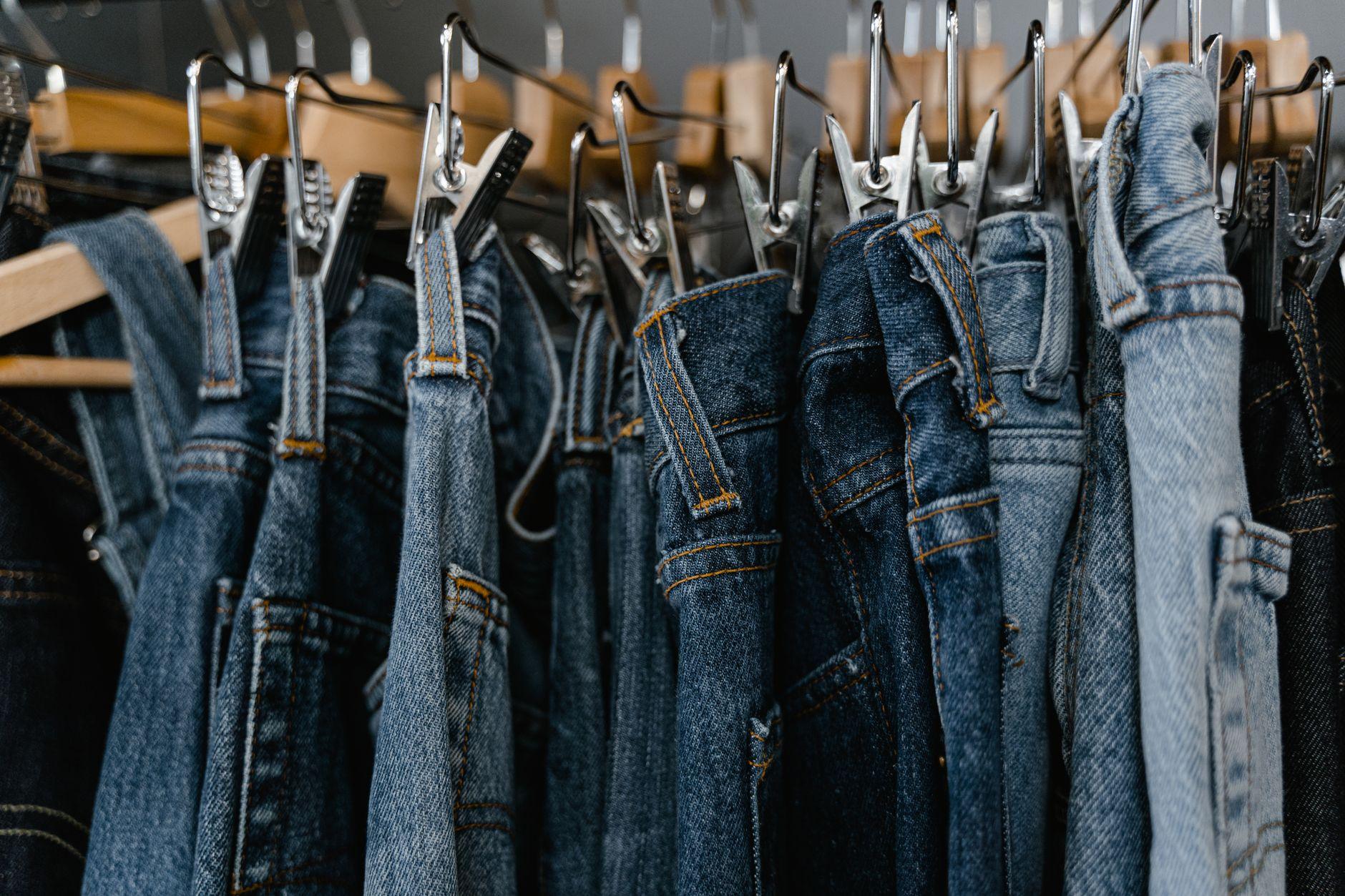
I was staring into my closet the other day, totally stumped, and realized my favorite pair of jeans, the ones I’ve practically lived in for the last five years, were looking… sad. Seriously, the knees were starting to show a distinct greyish hue, and there was a faint sheen that screamed “over-loved.” It hit me then: knowing when to retire a wardrobe staple isn’t always obvious, and it’s definitely not just about them falling apart.
That perfect black blazer you bought for that interview seven years ago? It might be time to say goodbye. You’ll know it’s nearing its end when the fabric starts to look fuzzy or pilled, especially around the cuffs and collar. If you see noticeable fading, particularly if it’s uneven, that’s another strong indicator. I once saw a friend wearing a blazer that was noticeably lighter on the shoulders than the rest of it – it was a real distraction, and honestly, a little embarrassing for her, even if she didn’t seem to notice.
Don’t even get me started on knitwear. Pilling is the arch-nemesis of any good sweater. Little balls of fluff can appear almost anywhere, but they’re most common on the sleeves and sides where fabric rubs against itself or other surfaces. While a fabric shaver can work wonders for minor cases, if your sweater looks like it’s been through a woolly battle, it’s probably time to consider a replacement. It’s such a bummer when a cozy sweater turns scratchy and misshapen.
Then there’s the issue of fit, or more accurately, the lack of it. Your body changes, and your clothes should ideally change with you. If your favorite tailored trousers suddenly feel too tight around the waist or bunched up in odd places, forcing yourself into them is just going to make you uncomfortable. I’ve seen people trying to squeeze into clothes that are clearly a size too small, and it just doesn’t look good. It’s better to acknowledge that maybe your post-pandemic pant size has shifted, and invest in something that fits comfortably now. Websites like NerdWallet offer great advice on budgeting for new clothing.
Structural integrity is a big one, and this applies to everything from your dress shirts to your sneakers. Think about the seams on your favorite t-shirt. Are they starting to stretch out? Are there any loose threads hanging precariously? For shoes, look at the soles. If they’re worn down unevenly or you can feel the road beneath you, it’s a definite sign they’ve given up the ghost. My dad always said, “Good shoes will take you good places,” and I think he was onto something. A worn-out sole can lead to foot pain and even injuries, so don’t ignore that squeak or wobble. Investopedia has some fantastic articles on assessing the wear and tear on your assets.
Fabric stains, especially those that won’t budge after multiple washes, are also a sign. That white blouse that has a permanent faint yellow tinge under the arms? Or the khaki pants with that mysterious brown smudge on the thigh that soap and water just refuse to conquer? These aren’t just minor blemishes anymore; they’re permanent fixtures that detract from your overall appearance. It’s not about perfection, but about presenting yourself in a way that feels put-together.
Honestly, sometimes it’s just a gut feeling. If you keep reaching for something and then hesitating because it just doesn’t feel right anymore – maybe the fabric is stiff, or it just hangs weirdly – trust that feeling. It might not have a visible flaw, but if it’s no longer bringing you joy or confidence, it’s probably time to let it go. Your closet should be filled with pieces that make you feel good, not a graveyard of “what ifs.” The IRS has guidelines on deducting clothing expenses for business use, which can be relevant when you’re investing in your professional wardrobe.
The real drawback to constantly replacing staples is, of course, the cost. A good quality leather jacket can set you back hundreds, and even a decent pair of jeans can easily cost over $100. This means you have to be strategic about when you replace things, and that you’re not just impulsively ditching perfectly good items because of a minor flaw. It’s a delicate balance between looking polished and being financially responsible.
Ultimately, the most telling sign that a wardrobe staple needs replacing is when you actively avoid wearing it, even if it’s the only thing that technically “works” for a particular occasion. You’re better off wearing something else entirely that makes you feel confident than forcing a worn-out piece into service.
