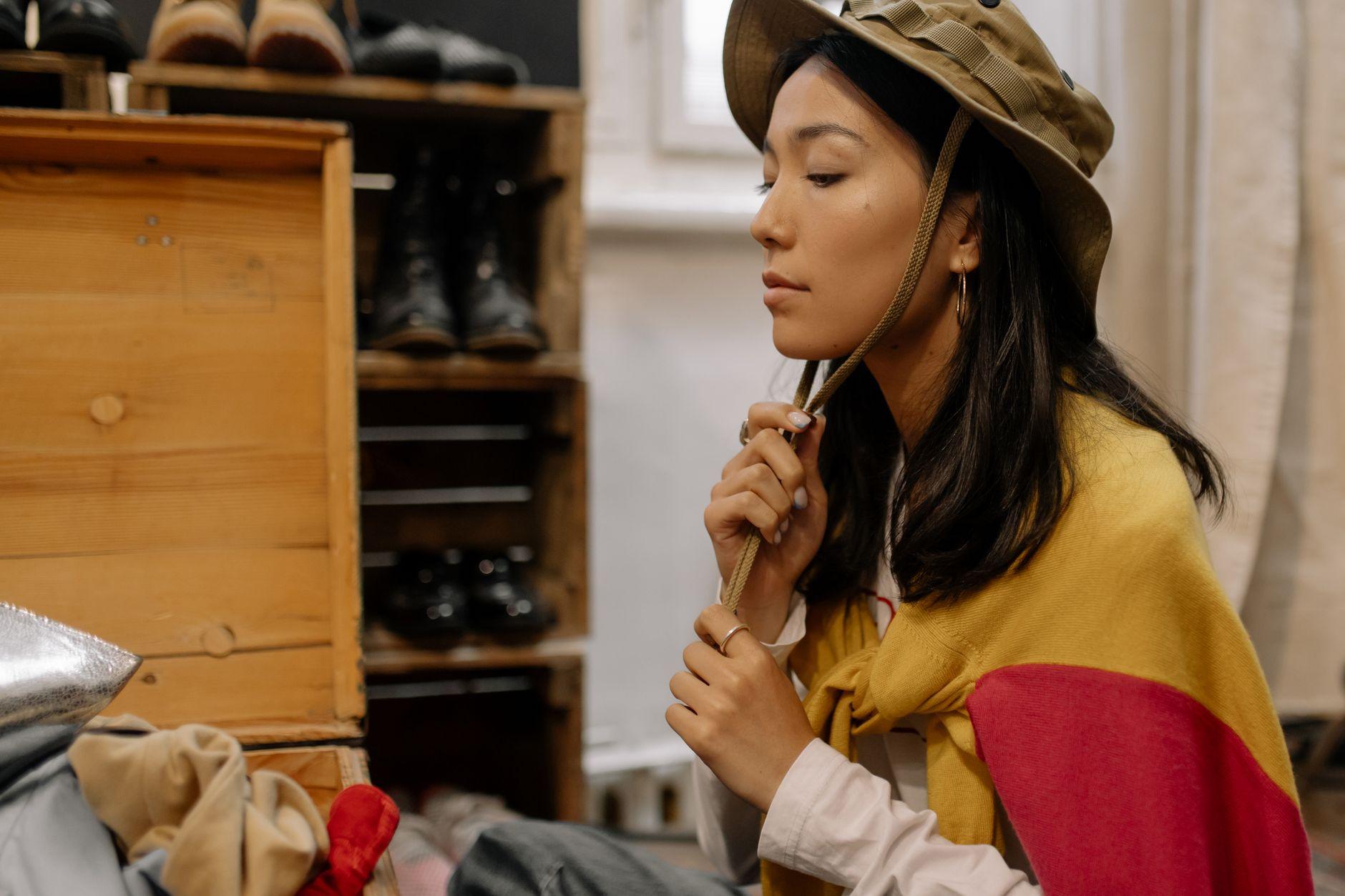
From Rags to Riches: Unlocking a Designer Closet for Pocket Change
I used to think building a stylish wardrobe meant shelling out a fortune, you know, like those designer boutiques or the trendy fast fashion chains that churn out new styles every week. Then, about five years ago, I stumbled into a local thrift store and my whole perspective flipped. I found this gorgeous silk blouse, the kind that feels amazing and looks like it cost hundreds, for just $7. It was a revelation. That’s when I realized thrifting smart wasn’t just about saving money, it was about discovering hidden gems and crafting a truly unique quality wardrobe without breaking the bank.
It sounds simple, but honestly, patience is your biggest asset when you’re thrifting for quality. You can’t just waltz in on a Saturday afternoon and expect to find that perfect cashmere sweater or a well-made pair of dark wash jeans. I’ve spent hours digging through racks, and let me tell you, sometimes it’s just endless cheap polyester t-shirts and stained prom dresses. That’s the frustrating part, the sheer volume of… well, junk, you have to sift through. But then, you find that one designer jacket or a pair of immaculate leather boots, and it’s all worth it.
When you’re shopping secondhand, you have to train your eye to spot quality materials and construction. Look for natural fibers like cotton, linen, wool, and silk. These fabrics wear better, feel better, and often look more expensive than their synthetic counterparts. Check the seams – are they straight and even? Are there any loose threads? For jeans and trousers, feel the weight of the denim or fabric; thinner, flimsier material usually means they won’t hold their shape or last long. A well-made garment, even if it’s a bit dated in style, can often be altered or restyled to fit your current fashion sense.
One of my absolute favorite thrifting strategies is to focus on classic pieces. Think little black dresses, tailored blazers, button-down shirts, and simple knit tops. These are the wardrobe staples that never go out of style. You can find fantastic examples of these at thrift stores for a fraction of their original price. I snagged a perfectly fitting navy blazer from a vintage store for around $15 that I now wear at least once a week; it looks just as good, if not better, than the $200 one I was eyeing at a department store. It’s about building a foundation of versatile items that you can then mix and match.
Now, I’ve got to be real with you: fit is everything. You can find the most amazing designer dress in the world, but if it doesn’t fit you properly, it’s just going to hang in your closet, a constant reminder of a missed opportunity. Secondhand clothes often don’t have the same return policies as regular retailers, so try things on if you can. If you’re buying online from a thrift marketplace or a consignment shop, pay close attention to the measurements. Don’t just rely on the size tag, as vintage sizing and even modern sizing can vary wildly. Sometimes, a great find might need a little tailoring, which can add to the overall cost. For example, a $20 dress that needs $30 worth of alterations isn’t always the bargain it seems, even if it’s now a perfect fit.
But don’t let that discourage you! Knowing a few basic alteration techniques or having a reliable tailor can be a lifesaver. I’ve learned to do simple hemming and button replacement myself, which saves money and time. For anything more complex, like adjusting the shoulders on a jacket or taking in the waist of a dress, a professional tailor can transform a mediocre fit into something that looks like it was custom-made. This is where the real magic of thrifting happens – taking something that’s almost right and making it perfectly right for you. This practice is similar to how people invest in the stock market, looking for undervalued assets with potential for growth, except here, the asset is a killer outfit.
The other thing is knowing when to walk away. Not every item you pick up is a diamond in the rough. If a pair of shoes is clearly falling apart, or if a handbag has deep scuffs and scratches, it’s usually not worth the effort or the money, even if it’s only a few dollars. You have to be honest with yourself about whether you’ll actually wear it or if it needs more work than you’re willing to put in. This is a lesson I learned the hard way with a pair of beautiful but worn-out boots that I bought for $10 and ended up donating a year later because I never got around to fixing them.
Ultimately, thrifting for a quality wardrobe is a skill, and like any skill, it takes practice. It’s about being resourceful, a little bit of a detective, and having a clear vision of what you want your style to be. Forget the idea that you need a huge disposable income to look good. With a keen eye and a bit of effort, you can curate a closet filled with unique, well-made pieces that reflect your personality, all while being kind to your wallet and the planet. I’ve seen people spend thousands on new clothes that they barely wear, while someone else rocks a designer look for less than they’d spend on a single takeout meal. It makes you wonder if anyone really needs to buy new anymore.
