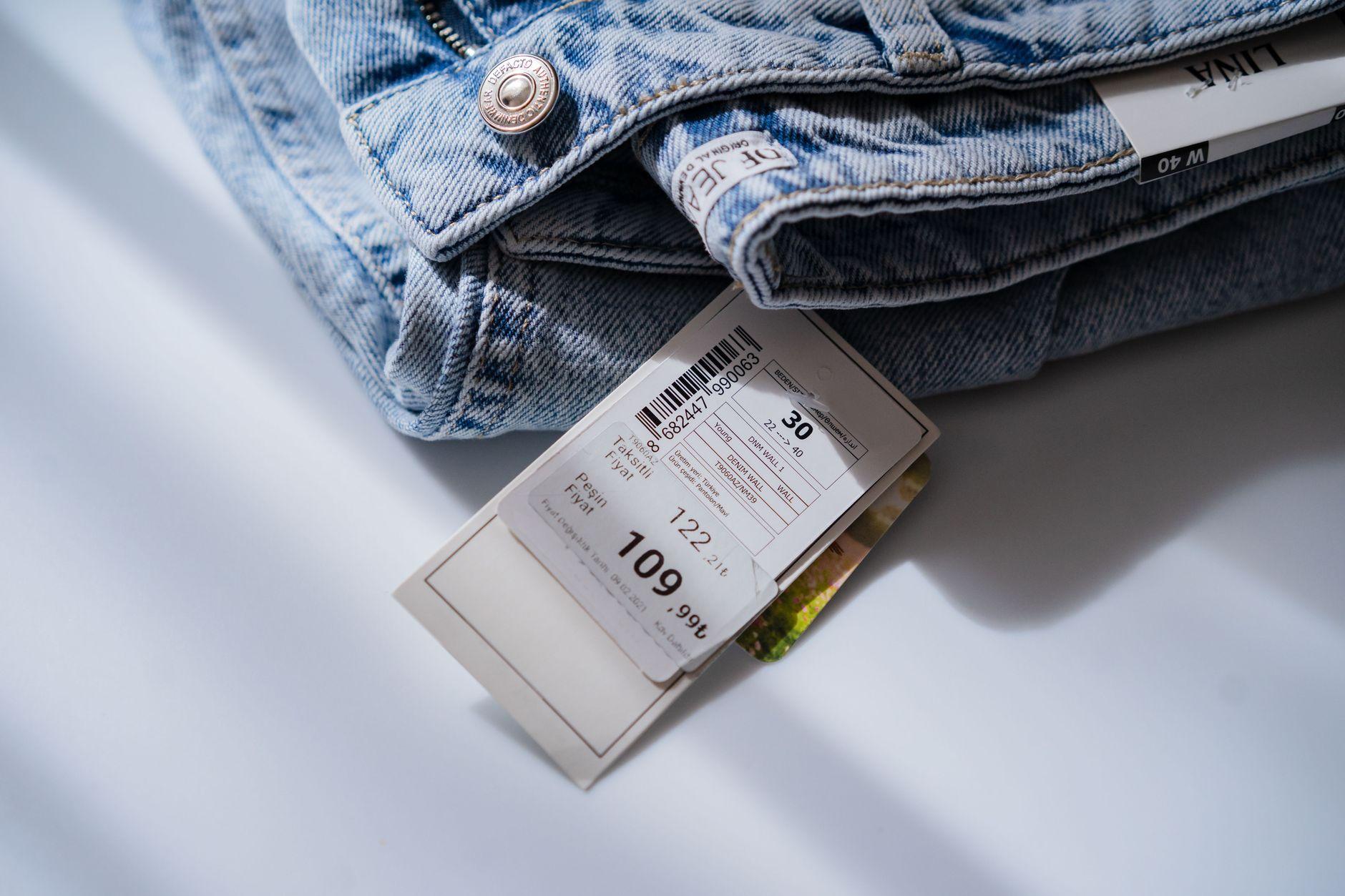
Don’t Let Your Jeans Turn to Rags in a Flash
You know, I once bought a pair of jeans for around $30 that looked pretty decent off the rack. Within about six months of regular wear, they had a hole in the knee that was bigger than my fist, and the seat was so thin I was worried about embarrassing myself in public. It was such a waste of money. That experience really hammered home for me that denim quality isn’t just some snobby detail; it’s the difference between a pair of pants that lasts you years and a pair that becomes landfill fodder after a few washes.
The initial cost might seem higher for premium denim, sometimes even $100 to $300 or more, but think about it like this: if those cheaper jeans lasted me six months, I might have bought another pair, totaling $60 for a year. If a more expensive pair costs $200 but lasts me five years, that’s only $40 a year. Plus, well-made jeans often look better as they age, developing a unique fade that you just can’t replicate with cheap material. It’s like buying a classic car versus a disposable scooter.
One of the biggest giveaways of good denim quality is the weight of the fabric, often measured in ounces per square yard. You’re generally looking for 12 to 16 ounces for everyday wear. Anything much lighter, say under 10 ounces, can feel flimsy and won’t hold up well. I’ve seen some “designer” jeans made from fabric that felt like tissue paper; it’s just insulting. Heavier denim, on the other hand, feels substantial and promises durability.
Another crucial factor is the construction. Look at the seams. Are they neatly stitched with strong, thick thread? You should see double stitching in high-stress areas like the inseam and outseam. The rivets and buttons should feel solid and securely attached, not loose or cheap-looking. A well-constructed pair of jeans feels like it’s built to withstand actual use, not just to be displayed on a hanger.
I’m going to be blunt here: raw denim is where it’s at if you truly care about quality and a unique fade. It’s unwashed, unsanforized denim, meaning it shrinks and conforms to your body over time. The initial stiffness can be intense; some folks even describe it as a “cardboard” feel. I remember my first pair of raw selvedge jeans – they were so stiff I could practically stand them up on their own. Wearing them for the first few weeks was an adventure in discomfort, but man, the way they faded was absolutely incredible. You get these unique creases and honeycombs that tell the story of your life.
Now, let’s talk about a real downside: breaking in raw denim can be a pain. It’s not for everyone. If you want comfort right out of the gate, raw denim might make you question your life choices. You have to commit to wearing them consistently, sometimes for months, before they really start to feel good. And if you’re someone who gets really sweaty or has a job where your jeans get abused daily, that breaking-in period could be extra unpleasant.
The weave of the denim also matters. Selvedge denim, often recognized by its distinct red or white stitching on the inner seam, is typically woven on old shuttle looms, which creates a much tighter and more durable fabric. While not all non-selvedge denim is bad, selvedge is almost always a sign of a higher-quality, more carefully manufactured product. You can often find great resources on denim types and weaving techniques on sites like Wikipedia.
Ultimately, paying attention to denim quality means investing in pieces that will serve you well for a long time. It’s about looking beyond the price tag and feeling the fabric, examining the stitching, and understanding what makes a pair of jeans truly last. It’s a stark contrast to the fast-fashion cycle, where items are designed to be disposable. For a deeper understanding of fabric types and their properties, Investopedia offers some excellent general knowledge.
Consider the denim composition. While 100% cotton is classic, some blends can offer benefits. Elastane or spandex (usually just a small percentage, like 1-2%) can add stretch and comfort, making jeans feel more flexible, especially in slimmer fits. However, too much synthetic material can sometimes make the denim look and feel less authentic and may compromise long-term durability. You can find comparisons of fabric blends and their pros and cons on consumer advice sites like NerdWallet.
So, the next time you’re shopping for jeans, don’t just grab the first pair that fits. Give them a good feel. Check those seams. Think about how often you’ll wear them. You might be surprised at how much better a little bit of knowledge about denim quality can serve you, even if it means spending a little more upfront. Sometimes, the most durable things are the ones designed with a little less irony.
