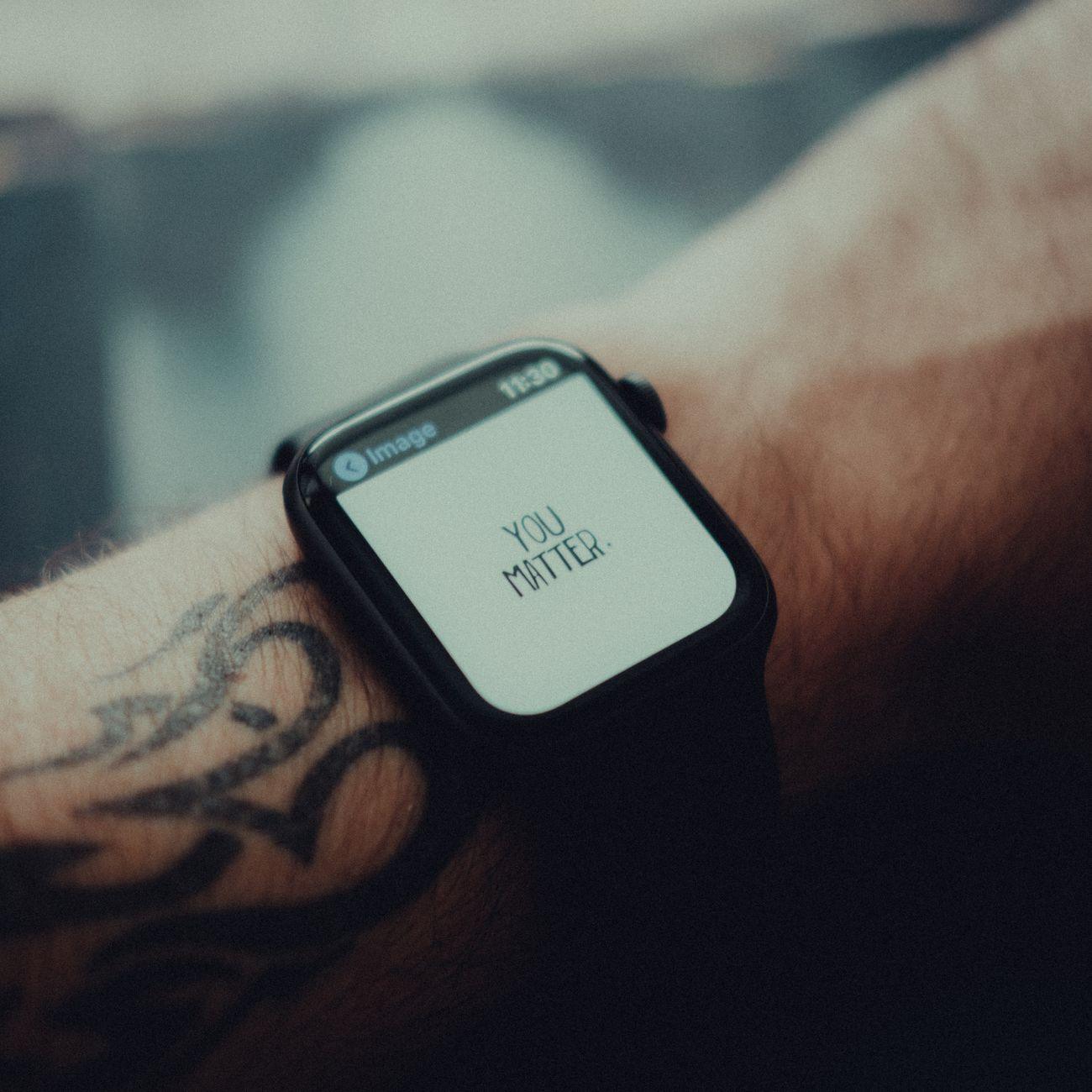
Your Wrist’s Little Rebellion Against the Screen
It sounds crazy, right? In an age where your phone tells you the time, your laptop shows it, and even your microwave has a clock, why on earth would anyone need a good watch anymore? I mean, I used to think the same thing. For years, my smartwatch was my go-to, buzzing with notifications and tracking my every step. But then something happened. I realized I was spending less time looking at my wrist and more time pulling out my phone, which defeats the purpose entirely. My watch, a sleek analog piece I inherited, started catching my eye again. It’s funny, the subtle shift from pure utility to something more.
Wearing a quality watch today feels like a deliberate statement. It’s a rejection of constant connectivity, a quiet nod to craftsmanship. Think about it: a mechanical watch, with its intricate gears and springs, is a marvel of engineering that operates entirely independently of Wi-Fi signals or software updates. It’s a tangible piece of artistry you wear. You can’t say that about the digital display on your phone, which feels so ephemeral. A well-made watch can last for decades, even generations, becoming a family heirloom. My grandfather’s Rolex still keeps perfect time after fifty years of wear, a feat most smartphones can only dream of achieving.
There’s a certain tactile pleasure in winding a manual watch or feeling the smooth sweep of a second hand. It’s a moment of pause in a frenetic world. You’re not just checking the time; you’re engaging with an object. My friend, Sarah, bought a vintage Seiko diver’s watch for around $300 and wears it everywhere. She says it feels more substantial and grounding than any smartwatch she’s owned, and honestly, I get it. It’s a conversation starter, too. People notice a nice watch. They ask about it. It offers a way to connect that isn’t mediated by a screen.
But let’s be real, a good watch isn’t without its drawbacks. The biggest one? Cost. While you can find decent quartz watches for under $100, a truly good mechanical watch can set you back anywhere from several hundred to thousands of dollars. My own personal indulgence, a Hamilton Khaki Field, cost me about $500, and that’s on the lower end for a respected brand. Compare that to a budget smartphone that often costs less and does infinitely more. You’re paying a premium for craftsmanship, heritage, and aesthetics, not necessarily for superior timekeeping accuracy. A cheap Casio digital watch will likely be more accurate than many luxury mechanical watches.
And then there’s the maintenance. Mechanical watches, especially, require servicing every few years, which can cost a pretty penny, sometimes $200 to $500 or even more depending on the complexity and brand. It’s an ongoing expense that many people just don’t want to deal with when their phone tells them the time for free. It’s a commitment. You have to remember to get it serviced, much like you’d take your car for an oil change. It’s a level of care that’s become foreign to most digital devices.
Plus, let’s not forget the sheer convenience of a smartwatch. I’m not going to lie, I miss checking my heart rate instantly or seeing who’s calling without reaching for my phone. Some smartwatches offer GPS tracking, contactless payment, and even fall detection, features that a traditional analog watch simply cannot replicate. The Apple Watch Series 8, for instance, is a powerful health and communication tool that a Patek Philippe could never be. It’s a trade-off between soul and utility, and sometimes, utility wins.
However, there’s a certain timelessness to a classic watch that transcends mere functionality. It’s an accessory that speaks to personal style and an appreciation for enduring quality. Think about a Patek Philippe Nautilus or an Omega Speedmaster – these are not just timekeeping devices; they are icons of design and engineering, appreciated by collectors and enthusiasts worldwide. Owning one, even as a daily wear piece, feels like being part of a legacy. It’s about appreciating the meticulous work that goes into something built to last, unlike the planned obsolescence we often see in tech gadgets.
Ultimately, a good watch today is less about telling time and more about telling a story – your story. It’s a personal indulgence, a piece of jewelry, and a subtle rebellion against the always-on digital deluge. It’s a choice to embrace something tangible, something beautiful, something that doesn’t need a software update to remain relevant. But if you’re still looking at your wrist expecting to see your email notifications, you’re probably better off sticking with your smartphone.
