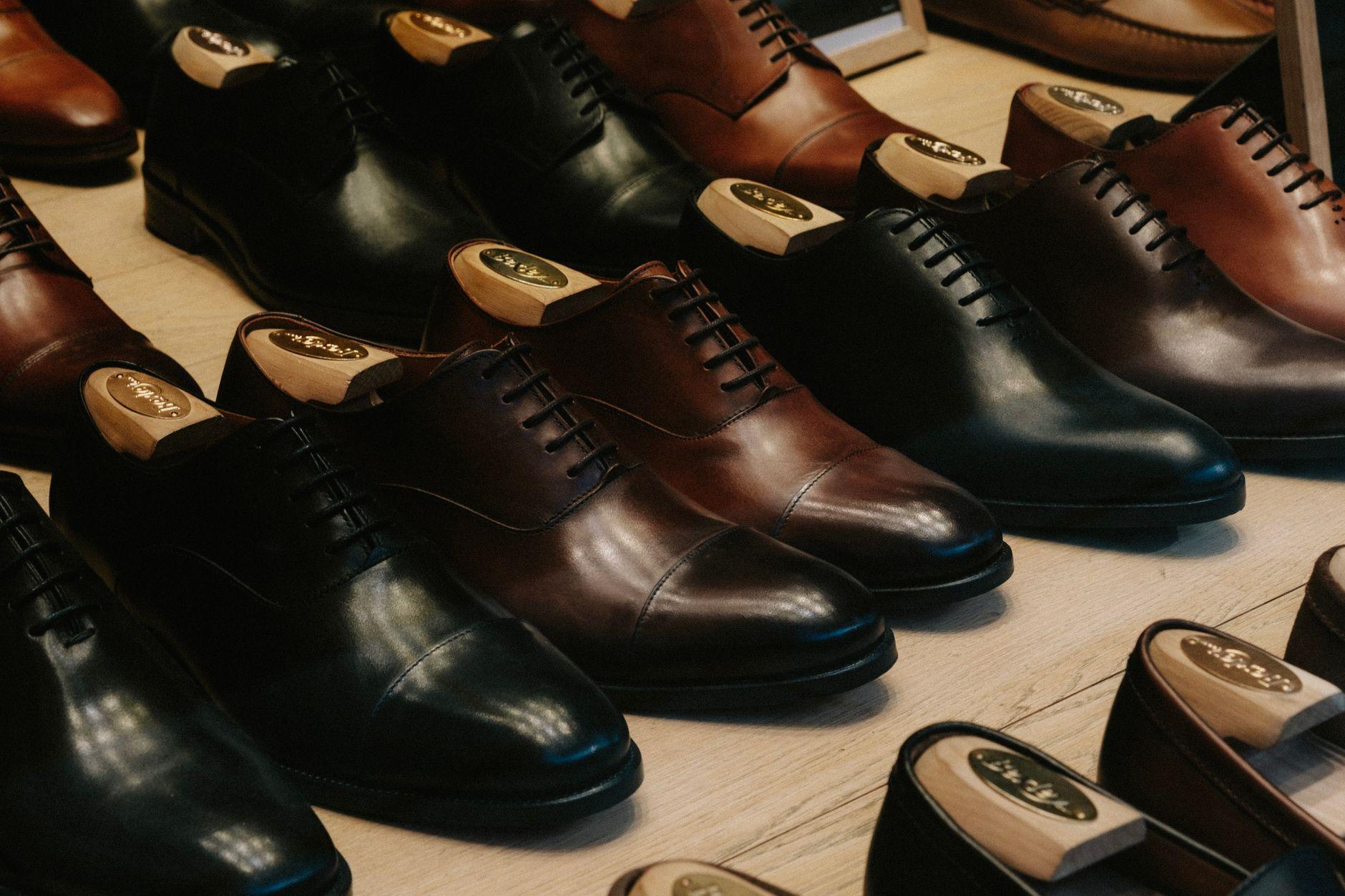
The Shoe Rack Revelation: How Sacrificing Quantity for Quality Unlocks Wardrobe Nirvana
I remember staring into my closet one morning, a sea of worn-out sneakers, cheap heels, and blisters-waiting-to-happen flats mocking me. I had so many shoes, but nothing that actually looked good or felt comfortable. It was a genuine mess, and honestly, it was infuriating. I’d spent a small fortune over the years on impulse buys, sales that felt like deals but weren’t, and shoes I thought I’d wear but never did. This daily ritual of frustration was my wake-up call to investing in fewer, better shoes.
Suddenly, one pair of impeccably crafted leather loafers became the cornerstone of my work outfits. They cost me around $250, which felt like a splurge at the time. But here’s the thing: those loafers paired just as beautifully with my tailored trousers as they did with a crisp pair of jeans for a casual Friday. They didn’t pinch, they didn’t rub, and they instantly elevated my entire look. It wasn’t just about the comfort; it was about the confidence that came with knowing I looked put-together, effortlessly.
Think about it – a single pair of high-quality boots, say in a classic black or rich brown suede, can transform your entire fall and winter wardrobe. Imagine them with dresses, skirts, leggings, or skinny jeans. Suddenly, you’re not rummaging for something that “kind of works.” You have a go-to piece that consistently delivers. This principle applies across the board, from sturdy walking shoes for travel to elegant heels for special occasions. The initial outlay might seem higher, with a pair of truly exceptional shoes often costing anywhere from $150 to $500 or even more, but the cost-per-wear plummets.
The biggest criticism I hear is the upfront cost. It’s easy to get sticker shock when you’re used to buying shoes in the $50 to $100 range. You might think, “Why spend $300 on one pair when I can get three for that price?” And it’s a valid point if your priority is sheer volume. However, those three cheaper pairs likely won’t last as long, won’t feel as good, and won’t offer the same stylistic versatility. You’ll end up replacing them much more frequently, ultimately spending more in the long run and creating more waste. It’s a classic case of the “buy it nice or buy it twice” adage.
My own experience with a pair of Italian-made ballet flats solidified this for me. I bought them for around $200, a significant chunk of change for me then. They were made of the softest leather and had a supportive sole that was a revelation. I wore them constantly for about five years before they finally started to show significant wear. In that same timeframe, I’d probably gone through at least four or five pairs of cheaper flats that either stretched out, lost their shape, or developed painful seams. The math, and the comfort, became undeniable.
This shift in mindset extends beyond just shoes. It’s about embracing a philosophy of mindful consumption. Instead of chasing trends or succumbing to impulse purchases, you start looking for durability, timeless design, and quality craftsmanship. This often means seeking out brands known for their longevity, even if they’re not household names. You might discover artisan cobblers or smaller, dedicated shoe manufacturers through resources like Investopedia’s guide to understanding cost-per-wear.
Of course, there’s a learning curve. You have to do a bit more research. You need to understand what makes a shoe well-constructed – things like full-grain leather, goodyear welting (a durable construction method, often found on higher-end men’s shoes), and proper stitching. Websites like Wirecutter often have excellent, in-depth reviews that can guide you toward brands that prioritize these qualities. It’s not as simple as walking into any department store anymore; it requires a more intentional approach to shopping.
The sheer amount of unsustainable fast fashion churned out annually is staggering, with footwear being a major contributor. Choosing fewer, better shoes is a small but significant step towards a more sustainable wardrobe, aligning with principles discussed by organizations like the United Nations Environment Programme on fashion waste. You’re not just buying a product; you’re investing in an item that’s built to last, reducing the likelihood of it ending up in a landfill within a year or two.
What surprised me most was how this change in my shoe collection rippled into other areas of my wardrobe. I started buying fewer, better clothes to match my improved footwear. It forced me to be more deliberate about my overall style, leading to a more cohesive and functional wardrobe that I actually loved. It’s almost like my feet finally had the foundational support they needed to build a truly stylish outfit, not just a collection of disparate items.
Ultimately, this isn’t about deprivation; it’s about strategic acquisition. It’s about recognizing that a few stellar pieces can do more for your personal style and your wallet over time than a closet overflowing with mediocrity. The true downside? You might find yourself judging everyone else’s footwear choices a little too harshly.
