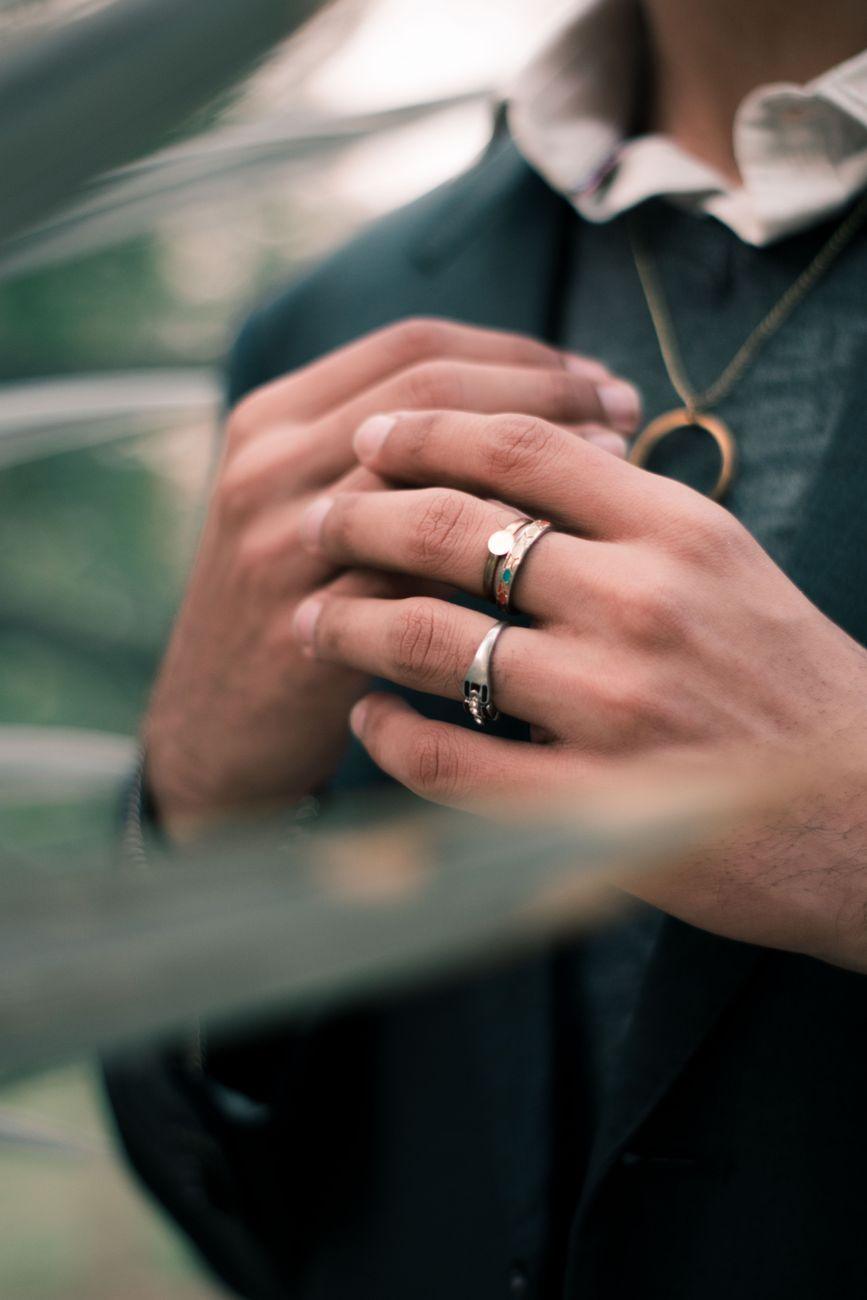
The Quiet Powerhouse: How Understated Adornments Command More Attention
I was at a gallery opening a few weeks ago, surrounded by people dressed to the nines. There was one woman, though, who just stood out. She wasn’t wearing a sequined gown or gravity-defying heels. Instead, she had on a simple black dress, a pair of well-tailored trousers, and a single, delicate gold chain with a tiny, almost imperceptible pendant. It was astonishing how much attention she drew. Her minimal jewelry wasn’t screaming for notice; it was inviting it. It’s a classic case of less being so much more, and frankly, it baffles me why so many people still opt for over-the-top pieces that end up drowning out their personal style.
You see, a statement piece tries way too hard. It’s like someone shouting in a library. It demands attention, sure, but it often does so at the expense of subtlety and elegance. Think about it – a chunky, neon-green plastic necklace might get a passing glance, but it doesn’t usually spark admiration. It can also feel a bit… safe. Like you’re relying on the jewelry to do all the talking. This is where minimal jewelry shines. A beautifully crafted silver bracelet, a pair of tiny diamond studs, or a dainty ring on your right hand speaks volumes about your taste and confidence. It suggests you don’t need flashy adornments to make an impact.
It’s the sheer intentionality behind minimal jewelry that’s so compelling. When you choose a single, exquisite piece, it suggests you’ve put thought into it. Take, for instance, a vintage signet ring passed down through generations. It’s not just a piece of metal; it’s a story. It carries history and personal significance, and that’s far more engaging than a mass-produced, oversized glitter bomb. This kind of understated elegance often signals a certain level of sophistication. It’s the kind of detail people notice and remember, not because it’s loud, but because it’s refined. It’s the difference between seeing a billboard and reading a beautifully written poem.
Honestly, sometimes I see people draped in so much jewelry it looks like they’re preparing for a role as a pirate queen. It’s overwhelming! And let’s be real, statement jewelry can be incredibly limiting. That enormous turquoise collar necklace you bought for that one wedding? It probably hasn’t seen the light of day since. Minimal pieces, on the other hand, are incredibly versatile. You can wear that delicate pendant necklace every single day, with every single outfit, and it will always feel right. It becomes an extension of you, not a costume.
The cost can also be a major factor, and this is where I get frustrated. You can spend hundreds, even thousands, on a statement piece that might only get worn a handful of times. Conversely, you can find incredibly beautiful and durable minimal jewelry for surprisingly reasonable prices. For example, a simple sterling silver chain might cost you anywhere from $50 to $200, depending on the quality and brand. Compare that to a large, elaborate gemstone necklace that can easily run into the thousands for decent quality. Websites like NerdWallet offer tips on spotting value, which is crucial when you’re investing in pieces that are meant to last.
Of course, the biggest criticism of minimal jewelry is that it can sometimes be too subtle. If you’re going for a very bold, avant-garde look, a tiny silver ring might indeed get lost. It’s like trying to hear a whisper in a rock concert. It requires a certain confidence, and perhaps a more refined aesthetic, to truly appreciate the impact. People who prefer minimalism often value quality over quantity. They might invest in one or two high-quality pieces, like a classic gold hoop earring from a reputable brand like Tiffany & Co. (which, let’s face it, is a significant investment, often starting around $500 for their simpler styles), rather than a dozen cheaper, trend-driven items.
Ultimately, minimal jewelry allows the wearer to shine. It enhances, rather than competes. It’s about the craftsmanship, the subtle gleam, the personal meaning. When you see someone wearing a single, perfectly placed ear cuff, you wonder about its story. You don’t wonder if they got it on sale at a fast-fashion store. It’s a quiet confidence that radiates, and that’s always more captivating than a loud declaration. It makes you think about the person, not just the adornment.
