The Unshakeable Foundation: Why Wardrobe Cornerstones Always Win Against Fleeting Fads
I once spent a small fortune on a pair of neon green, parachute pants. Seriously. They were all the rage for about three months. Now, they’re relegated to the back of my closet, a testament to my questionable fashion choices and a stark reminder that trend pieces are often a one-hit wonder. It’s a story I’ve heard countless times from friends and clients alike – the initial excitement of snagging something so current quickly fades, replaced by buyer’s remorse and a closet full of unworn, or rarely worn, items. Meanwhile, my simple, well-made white t-shirt or my dark wash, perfectly fitting jeans get pulled out week after week, year after year.
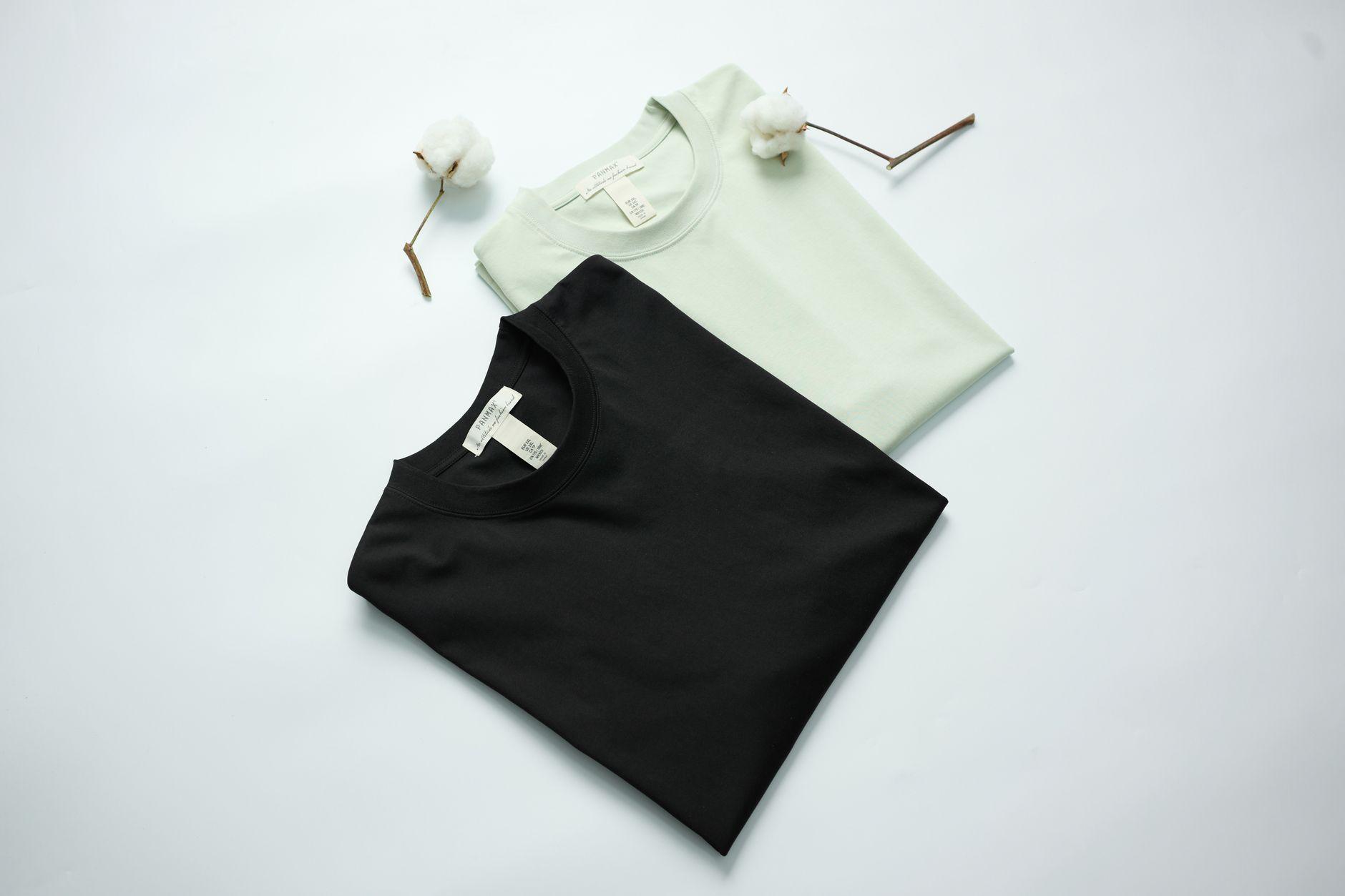
It’s a hard pill to swallow, especially when those flashy, “must-have” items are plastered all over social media and beckoning from store windows. But the truth is, investing in quality basics is the smartest move you can make for your wardrobe, and honestly, for your sanity. Think about it: a classic trench coat can be styled a thousand ways, from dressed down with sneakers to dressed up with heels. It doesn’t scream “2023!” or “Spring Collection!”. It just looks good. Always. This longevity is something fast fashion simply can’t compete with, and it’s a significant factor when you consider the true cost-per-wear. A $20 trendy top worn twice costs more per wear than a $100 well-made sweater you wear 50 times.
The biggest criticism I have for focusing solely on quality basics, though, is that it can feel…boring. I get it. Sometimes you want that pop of color, that unique silhouette that screams personality. And that’s okay! The trick isn’t to never buy a trend piece, but to be strategic. Think of your wardrobe basics as the canvas, and trend items as the occasional splashes of paint. The problem arises when your canvas is bare and you’re just throwing paint at the wall hoping something sticks. You end up with a chaotic mess, not a masterpiece.
This isn’t about being a fashion minimalist, necessarily. It’s about building a versatile wardrobe that works for you, not against you. A good quality cashmere sweater, for instance, might set you back a couple of hundred dollars, but it will feel incredible, hold its shape, and remain a go-to for years. Compare that to a cheaper, synthetic version that might pill after a few washes and lose its charm. I’ve been shocked at how much better some well-constructed garments hold up, even after countless trips to the laundry. It’s like the difference between a flimsy plastic toy and a sturdy wooden one – one is destined for the landfill in a matter of weeks, the other can become a cherished heirloom.
Consider the humble white button-down shirt. This isn’t just a basic; it’s a chameleon. You can wear it tucked into tailored trousers for a sharp office look, tie it over a sundress for a casual weekend vibe, or even wear it open over a graphic tee with jeans. Its versatility is astounding, and a high-quality version made from good cotton or linen will drape beautifully and resist yellowing. The same goes for a well-fitting blazer. A classic navy or black blazer can instantly elevate jeans and a t-shirt, making you look polished and put-together without seeming like you tried too hard. This kind of effortless style is the holy grail for most people.
The initial investment in quality basics can feel daunting. A designer handbag or a premium pair of boots can cost hundreds, even thousands, of dollars. However, these aren’t just accessories; they’re often investments. Unlike a statement necklace that might fall out of style next season, a classic leather bag from a reputable brand, like a Coach tote or a Longchamp crossbody, can retain its value and actually become more desirable over time. This is a concept well-understood in the world of investment portfolios, too, where stable, enduring assets are favored over speculative, volatile ones. Think of your wardrobe basics as the blue-chip stocks of your closet.
My personal opinion? It’s far more rewarding to have a few truly excellent pieces that you love and wear constantly than a closet overflowing with things you tolerate. That feeling of reaching for your favorite cashmere scarf on a chilly morning, knowing it’s going to feel amazing and look sophisticated, is unparalleled. It’s about building a functional wardrobe that reflects your personal style without being a slave to fleeting trends. It’s about investing in yourself.
What truly surprises me is how many people still gravitate towards cheap, disposable clothing when the long-term benefits of quality investment pieces are so evident. You’ll see someone wearing a t-shirt with a hole in it that they bought for $5 last week, while simultaneously complaining about having “nothing to wear.” It’s a paradoxical cycle that’s incredibly frustrating to witness. The true cost of clothing isn’t just the price tag; it’s also the environmental impact and the mental energy wasted on managing a closet full of ill-fitting or rapidly outdated items. For more on the environmental impact, resources like the EPA provide insights.
Ultimately, building a timeless wardrobe is about understanding what truly serves you. It’s about prioritizing durability, fit, and fabric quality over fleeting novelty. This approach not only saves you money in the long run but also cultivates a more mindful and sustainable relationship with your clothing. It’s about cultivating personal style, not chasing fleeting micro-trends dictated by algorithms. When you boil it down, most people aren’t looking to be fashion plates; they’re looking to feel comfortable and confident, and that’s precisely what quality basics deliver, consistently. This is why learning to spot a well-made garment is a more valuable skill than knowing the latest influencer outfit.
