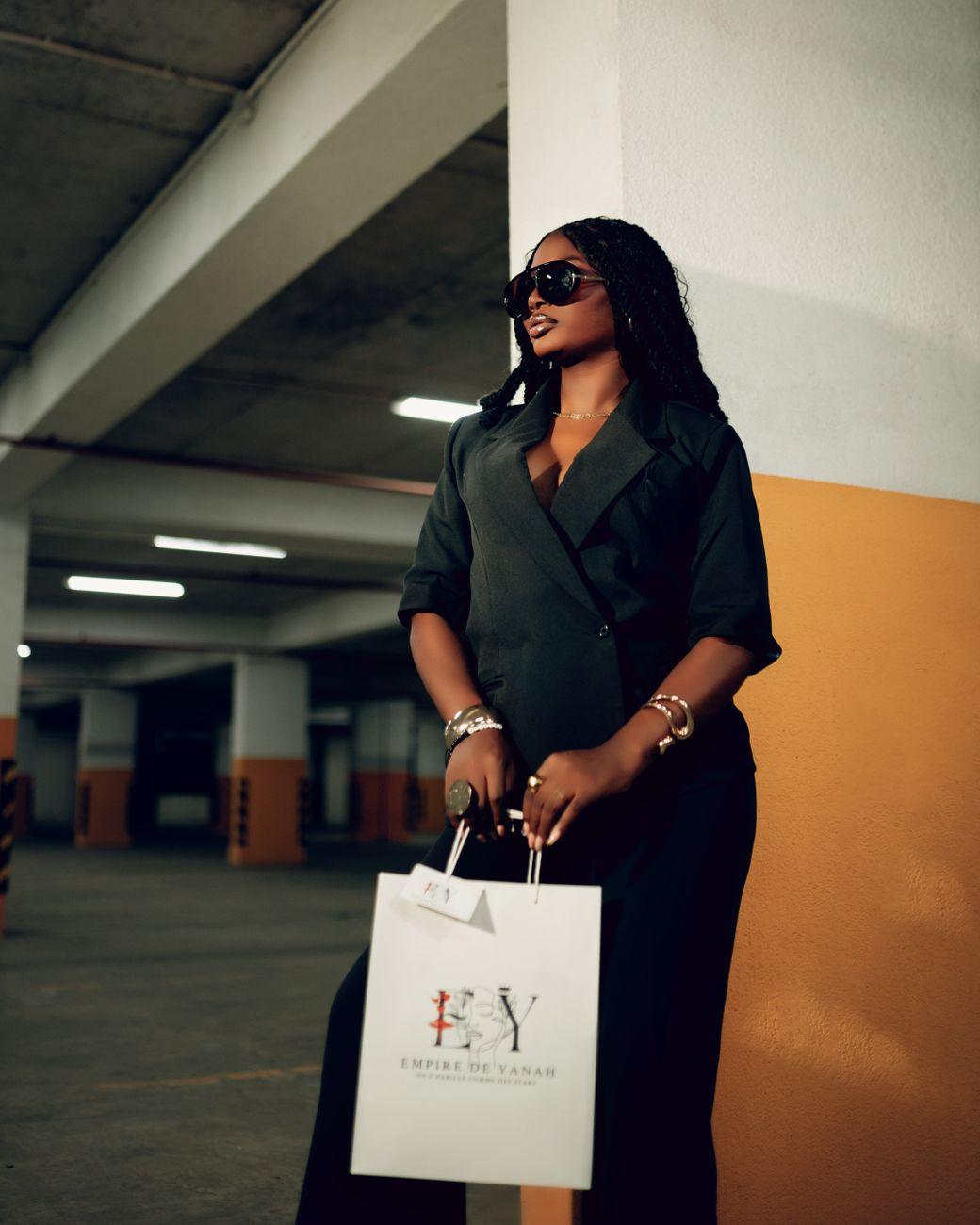
The “I Woke Up Like This” Aura: Crafting a Luxe Look on a Budget
I remember staring into my closet, a sea of clothes that felt decidedly… not expensive. It was a Tuesday, I had a client meeting, and I felt like I looked like I’d raided a bargain bin. Ugh. The trick to making an outfit look expensive isn’t about splashing out hundreds on designer labels; it’s about strategic choices that fool the eye. Think elevated basics, impeccable fit, and a few clever details. You can totally achieve that high-end vibe without the high-end price tag.
That time I snagged a $20 white button-down shirt from a thrift store and paid $15 to have it perfectly tailored? That’s the kind of move that makes people think you dropped $200. Tailoring is king. Seriously, even a cheap dress from a fast-fashion store can look a million bucks if it fits you like a glove. You want seams to lie flat, hems to hit at the right spot, and shoulders to sit perfectly. This is probably the single biggest differentiator between a polished look and one that says “I tried too hard and failed.”
My personal pet peeve? Ill-fitting basics. A baggy t-shirt or pants that puddle on the floor instantly cheapen your entire ensemble. I’d rather wear a slightly more expensive, perfectly fitting plain black tee than three ill-fitting ones from a discount store. Investing a bit more in your foundation pieces like well-cut trousers, a classic blazer, and a crisp shirt pays dividends. You can find these treasures at places like Nordstrom Rack or even during sales at higher-end department stores.
And don’t even get me started on fabric quality. You don’t need cashmere, but steer clear of anything that looks overtly synthetic and shiny. Think natural fibers or blends that mimic them. A linen-blend top will always look more sophisticated than a polyester one that feels like plastic. Look for matte finishes and fabrics that drape well. A chunky knit sweater that doesn’t pill after one wash is worth its weight in gold. You can often find great natural fabric blends at stores like Uniqlo or even during end-of-season sales at places like J. Crew.
The color palette makes a huge difference too. Sticking to a neutral color scheme – think blacks, whites, grays, beiges, and navy blues – inherently looks more expensive and put-together. It’s harder to go wrong when your outfit has a cohesive, sophisticated color story. Bright, clashing colors can sometimes scream “bargain bin,” unless you’re incredibly skilled at color theory. A monochromatic outfit in a rich tone like deep forest green or burgundy can be incredibly chic and costs no more than a multi-colored outfit.
Now, for the one thing that always irks me: over-accessorizing. A delicate gold necklace, a simple watch, and classic stud earrings can elevate an outfit significantly. But piling on chunky costume jewelry or carrying a bag that looks like a knock-off designer piece? It’s a fast track to looking less sophisticated. Think quality over quantity with your accessories. A single, well-made leather belt is better than three flimsy ones. And that’s not even touching on the shoe game.
Seriously, your shoes can make or break an outfit. Scuffed, worn-out sneakers or heels that have seen better days will drag down even the most carefully curated ensemble. Invest in timeless, well-maintained footwear. A pair of classic leather loafers, clean white sneakers, or simple black pumps can anchor your look. You can find surprisingly good quality leather shoes for around $100-$150 if you shop sales at brands like Sam Edelman or look at department store private labels.
The biggest downside, and it’s a real one, is that perceived expense often comes down to branding, which is something you can’t always replicate on a budget. No matter how well-tailored your Zara blazer is, someone who knows brands will recognize it’s not a Chanel. This isn’t about fooling everyone, but about presenting your best self with the resources you have. For more on how brand perception influences value, check out this analysis from Investopedia.
However, it’s not just about what you wear, but how you care for your clothes. Ironing your clothes, ensuring they’re free of wrinkles, and giving them a good lint roll before you leave the house makes a world of difference. It sounds so simple, but a wrinkled shirt looks worlds away from a freshly pressed one. Think about how a well-pressed uniform looks versus a rumpled one. It’s the same principle. Many experts, like those at Forbes, discuss the psychology of appearance and how small details impact perception.
Ultimately, making your outfit look expensive is less about the price tag and more about intention and execution. It’s about understanding what creates that illusion of luxury. So next time you’re getting dressed, ask yourself: does this fit? Is it clean and pressed? Are my accessories adding to the look or detracting? Getting this right means you can absolutely look like you spent a fortune without actually doing it. Still, sometimes the most expensive-looking item you own is just the one you borrowed from someone richer than you.
