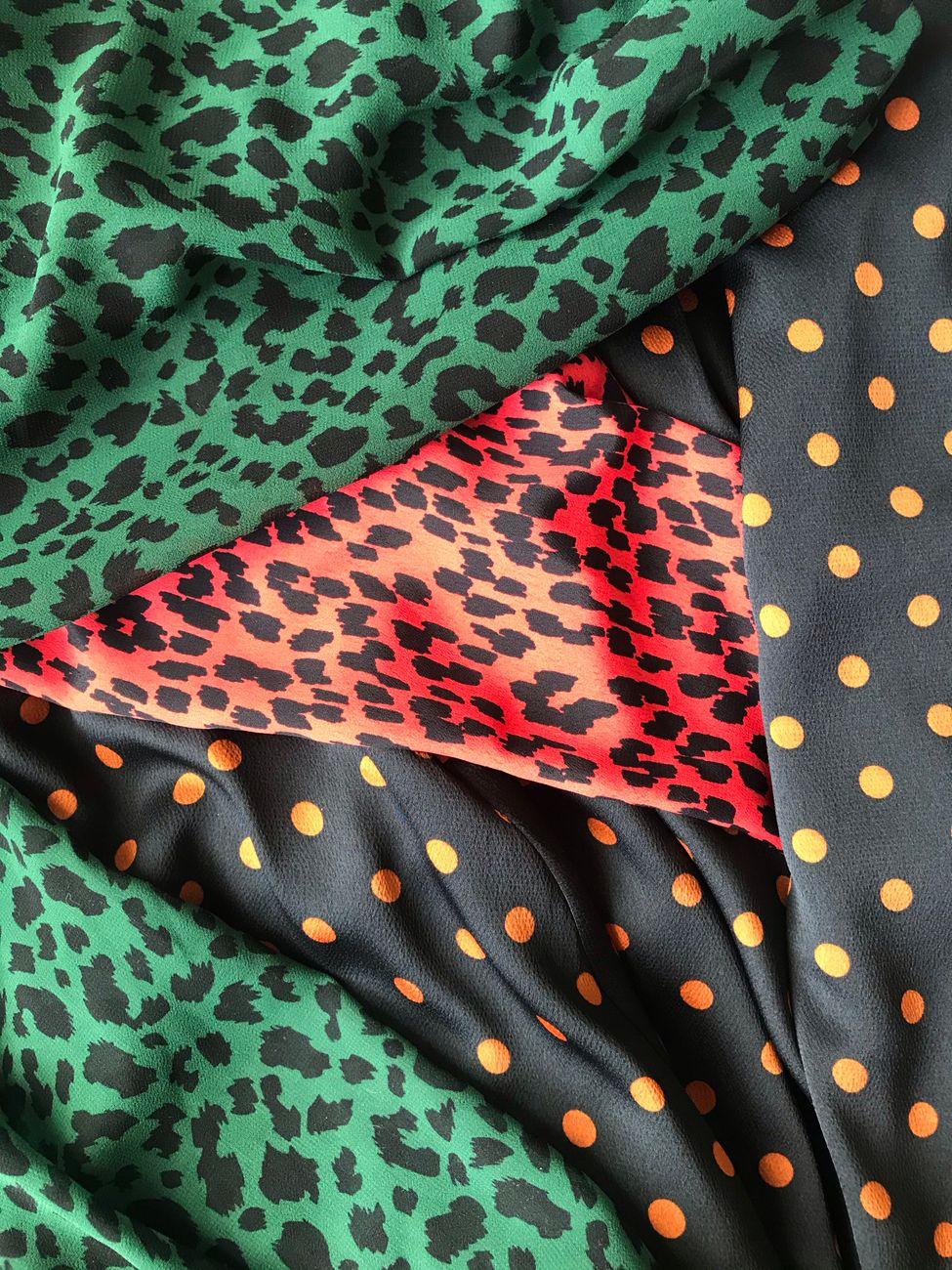
When Bold Becomes Blurry: The Art of the Understated Pattern Mix
I once walked into a friend’s house and was immediately assaulted by stripes on stripes on stripes. It was a bold choice, sure, but honestly? It gave me a headache. That’s the thing about pattern mixing, right? When you go too hard, it stops being chic and starts being chaos. The real magic happens when you’re a little more, well, subtle. It’s like adding a dash of spice instead of the whole shaker; it enhances the flavor without overwhelming the dish. Think about a classic houndstooth blazer with a thin pinstripe shirt underneath. Both are patterns, but one is bold and the other is a whisper. Together, they create visual interest without screaming for attention. It’s about harmony, not a shouting match.
A common pitfall is thinking that more patterns automatically mean more style. This couldn’t be further from the truth. Sometimes, one strong patterned piece, like a floral skirt, paired with a more delicate pattern, such as a tiny polka dot blouse, is all you need. The key is contrast in scale and type. You wouldn’t pair two equally loud and large patterns unless you were aiming for a very specific, avant-garde look that most of us aren’t going for on a Tuesday. This subtle approach is also surprisingly budget-friendly. You don’t need to buy a whole new wardrobe of clashing prints; often, just one or two well-chosen patterned items can elevate your existing clothes.
Honestly, the sheer volume of advice out there about pattern mixing can be overwhelming. It’s like everyone’s trying to tell you to put leopard print with plaid and then add some stripes. It’s exhausting! The reason the subtle pattern mix works so well is that it allows each pattern to breathe. You get the texture and visual appeal of, say, a geometric print scarf, without it fighting against the subtle herringbone weave in your tweed jacket. It’s about building layers of interest. A subtle stripe on your tie doesn’t need to compete with the checkered pattern on your pocket square. They can coexist beautifully.
The biggest drawback to this more restrained pattern mixing style is that it might not satisfy the urge for extreme fashion statements. If your goal is to be the most visually striking person in the room, this isn’t the path for you. You’re not going to get that jarring, look-at-me effect. It’s more about refined elegance and a sophisticated eye. The downside here is that it can be harder to discern for some people. They might look at a carefully curated outfit with a subtle floral blouse and a muted stripe trouser and just think, “Oh, nice outfit,” without recognizing the skillful interplay of patterns. It requires a more nuanced appreciation.
Consider the financial markets. Diversification is key, right? You don’t put all your eggs in one basket. Similarly, with pattern mixing, diversification of pattern type and scale prevents your outfit from becoming monotonous or, conversely, chaotic. A bold floral dress might look stunning on its own. Pair it with a denim jacket that has a very faint, almost imperceptible texture rather than a loud graphic print. The texture acts as a subtle counterpoint. It’s a similar principle to how NerdWallet recommends diversifying your investments to manage risk. You’re managing visual risk here, essentially.
I’ve seen people spend hundreds, if not thousands, of dollars on clothing that doesn’t work because they’re chasing trends without understanding the underlying principles. A classic Breton stripe tee is a pattern. A pair of gingham check trousers is another. If you wear them together, you’ve got pattern mixing. But if the stripes are medium-width and the gingham is large scale, it’s going to be loud. Try it with a thin, almost pencil-thin stripe and a tiny micro-gingham, and suddenly you have an outfit that’s much more sophisticated. It’s about understanding that not all patterns are created equal in their visual impact.
When you start thinking about pattern mixing like a painter mixes colors, it becomes much more intuitive. You wouldn’t just throw random pigments on a canvas and expect a masterpiece. You’d consider how colors interact, much like patterns do. A bold graphic print top might need a solid color bottom. Or, if you must mix patterns, choose something like a small floral print that has one of the colors from your graphic top. It’s about creating a visual echo. This technique is why even items that seem disparate, like a paisley scarf and a striped sweater, can end up looking cohesive.
The danger with always opting for the most subtle approach is that you might end up looking a bit too safe, a bit too… boring. If you’re attending a fashion show or a deliberately artistic event, this understated method might not make the necessary splash. There are times when a bold, clashing combination is precisely what the situation calls for, a deliberate rejection of conventional taste. It’s like listening to music; sometimes you want a quiet jazz piece, and other times you want a full-blown rock opera. The nuance is lost when you only ever play the quiet part.
For instance, a navy and white striped shirt is a common wardrobe staple. Pairing it with khaki pants is safe. But add a pocket square with a small, muted floral pattern in shades of navy and cream, and you’ve elevated the entire ensemble. It’s not about wearing five different patterns at once; it’s about thoughtful layering. This subtle pattern mixing is also surprisingly forgiving if you’re not perfectly matched in terms of color or tone. The subtlety allows for slight variations without looking like a mistake.
Ultimately, the goal is to look put-together, not like you got dressed in the dark. And while some argue that adhering to strict rules of pattern mixing stifles creativity, I’d argue that true creativity lies in breaking those rules intelligently. The most striking outfits often have an element of unexpected harmony, and that’s precisely what subtle pattern mixing achieves. It’s a quiet confidence, not a loud declaration. So next time you’re hesitant to mix, remember: a little goes a long way, and sometimes the loudest statement is the one nobody hears.
