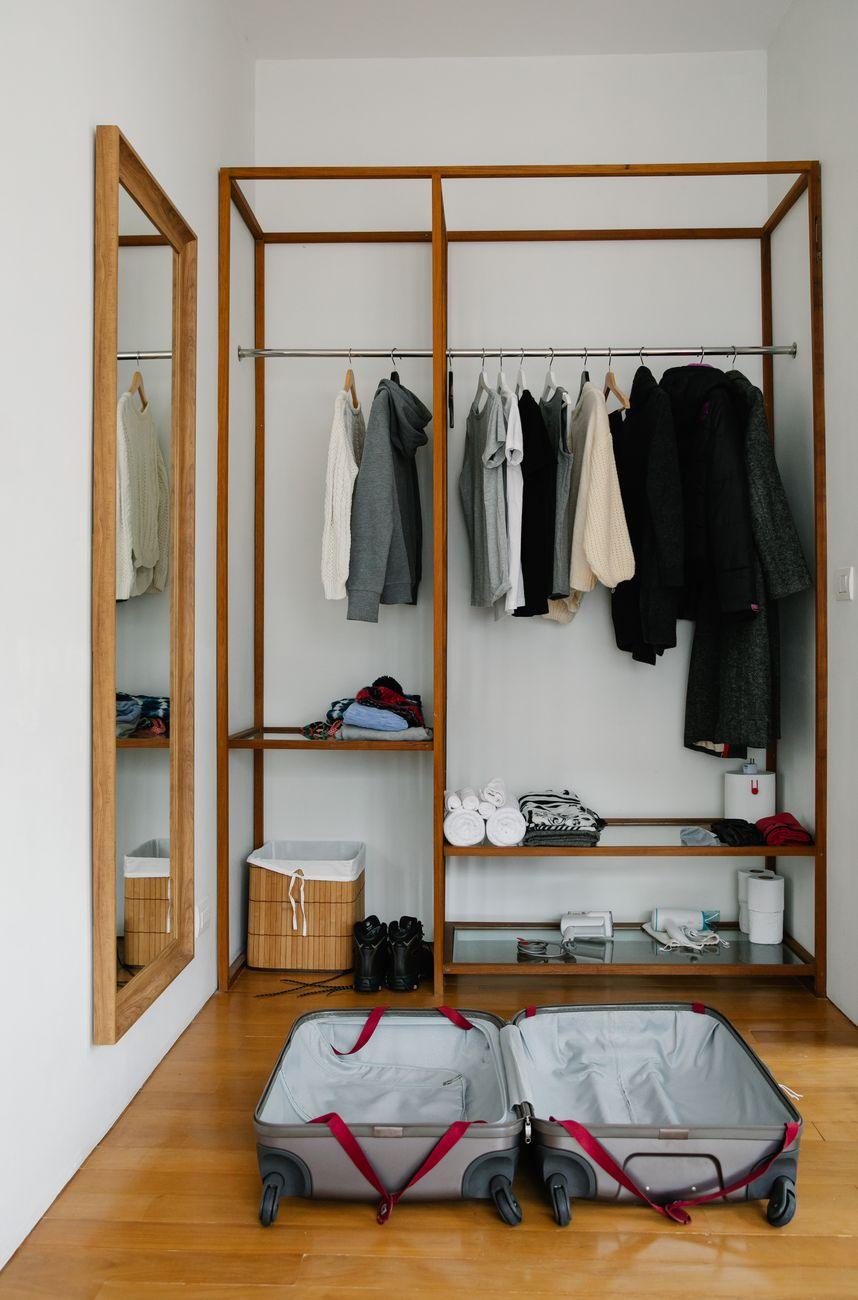
Packing Light: The Brain Workout Behind Your Suitcase’s Zen
Honestly, the idea of a minimalist travel wardrobe used to send me into a cold sweat. My old packing method involved throwing in literally everything I might possibly need for a week, which usually meant hauling a suitcase that weighed more than I did. Then, on a particularly rough trip through cobblestone streets in Florence, wrestling with my oversized bag, I had an epiphany: there had to be a better way. This thought process isn’t about deprivation; it’s about strategic brilliance.
My first step is always to identify the core function of my trip. Am I hiking through the Rockies, attending business meetings in Tokyo, or lounging on a beach in Bali? The answers dictate the entire capsule wardrobe you’ll build. For a recent business trip to Chicago in late autumn, I knew I’d need layers. Instead of bringing five different jackets, I focused on one versatile, neutral-colored wool coat that could dress up or down, paired with a smart blazer that worked with both my trousers and dark wash jeans. This approach cuts down on bulk significantly.
You’ve got to nail down your color palette before anything else. I swear by sticking to neutrals for at least 70-80% of my pieces. Think black, white, grey, navy, beige, and olive. This ensures that almost everything you pack can be mixed and matched seamlessly. I learned this the hard way after packing a bright orange scarf that, while lovely on its own, went with precisely nothing else in my bag. It ended up taking up space and making me feel like a walking traffic cone.
The real magic happens when you choose multi-functional items. A simple, dark-wash pair of jeans can go from a casual dinner to a slightly dressier evening out, especially when paired with a nice top and some jewelry. A scarf isn’t just for warmth; it can be a head wrap, a belt, or even a makeshift blanket on a chilly plane. I once used a large, lightweight pashmina to create a privacy screen in a cramped hostel dorm room – talk about versatility!
Here’s where some people really struggle: the fabric is king. You want breathable, wrinkle-resistant materials. Think merino wool for shirts and base layers – it’s amazing for temperature regulation and doesn’t get stinky after a day or two. Tencel or Lyocell are also fantastic for blouses and dresses, as they drape beautifully and resist creasing. Nobody wants to spend their vacation ironing. The downside? These fabrics can be significantly more expensive than your standard cotton blends, so investing upfront is crucial. You can find some good guides on fabric types for travel, like those on NerdWallet’s travel clothing tips.
And let’s talk about shoes. This is usually my biggest hurdle. For a typical week-long trip, I aim for no more than three pairs. One comfortable walking shoe (think stylish sneakers or supportive loafers), one slightly dressier option (like ankle boots or block heels), and maybe a pair of sandals if the climate calls for it. I was shocked on a trip to Europe when my comfortable walking sneakers ended up being the only shoes I wore for ten days straight. My fancy heels stayed in the suitcase, a testament to how impractical they were for navigating ancient cities. This is a core principle discussed in many minimalist living guides, much like those you’d find on Wikipedia’s entry on Minimalism.
Don’t forget the power of accessories. A few well-chosen pieces can completely change the look of an outfit. A statement necklace, some simple earrings, or a versatile watch can elevate a basic t-shirt and jeans combo. I always pack a small pouch of versatile jewelry that goes with everything. It’s amazing how much mileage you can get from these little additions. It’s all about maximizing impact with minimal space.
The biggest criticism I hear about minimalist wardrobes is that it feels restrictive, like you’re forced to wear the same few things over and over. And yes, if you pack poorly, you will feel that way. But when you’ve done the thoughtful planning, you actually feel liberated. You’re not bogged down by excess baggage, and you’re not stressed about outfit choices. It’s about embracing quality over quantity, a concept echoed by financial experts advising on smart spending, as detailed in articles from sources like Investopedia.
Ultimately, building this kind of wardrobe is less about sacrificing style and more about understanding what truly serves you. It takes practice, and you’ll likely make mistakes. But once you nail it, you’ll wonder how you ever lived without it. Though, I still secretly pack an emergency pair of fuzzy socks, just in case.
