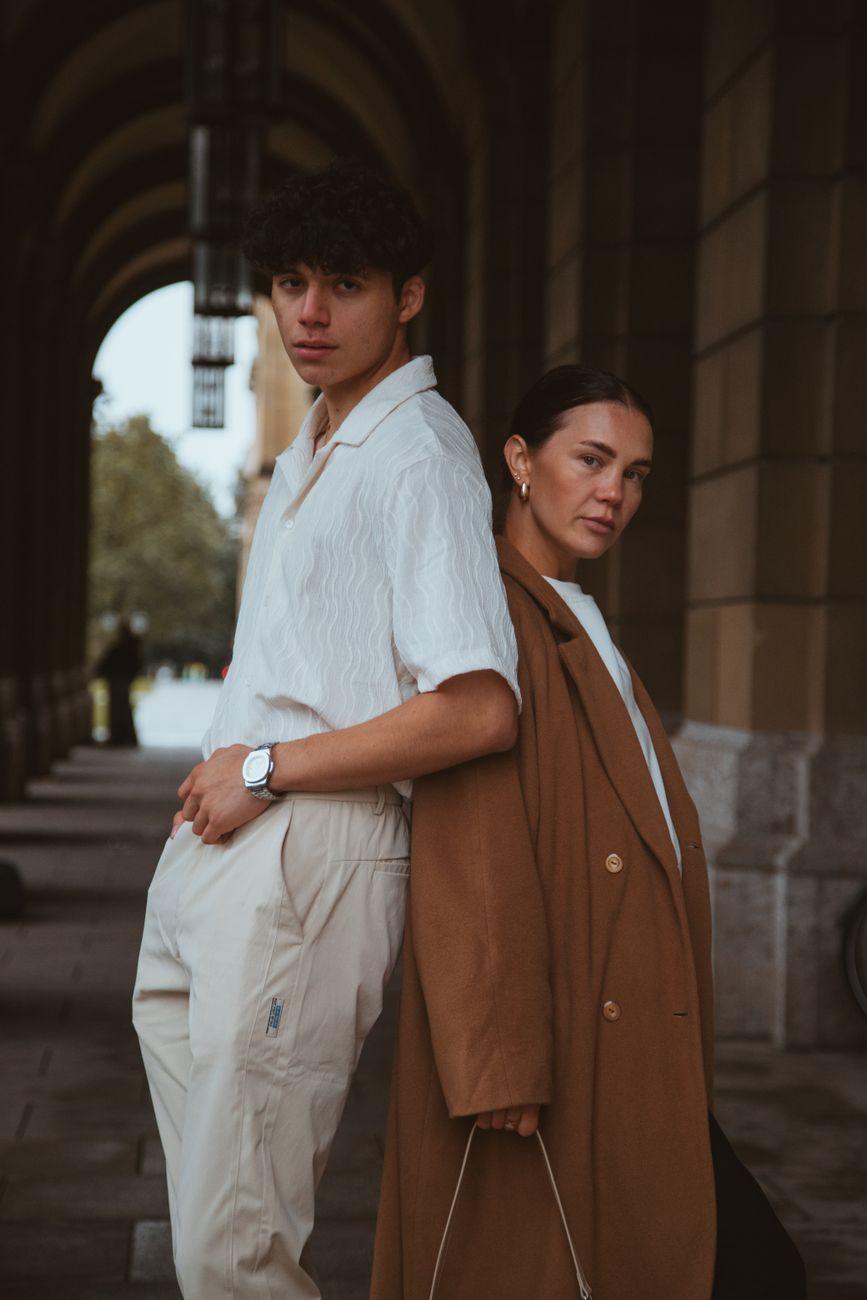
The Chic Revolution: Gender Lines Blur in the World of Minimalist Fashion
I remember a time, not too long ago, when minimalist fashion was largely seen as a female pursuit. Think Audrey Hepburn in her little black dress, or a perfectly tailored sheath from Calvin Klein. It was about understated elegance, a quiet confidence. Now, though, it’s something different. It’s become a powerful statement for everyone, and it’s about way more than just clothes. We’re talking clean lines, quality fabrics, and a conscious decision to buy less but better.
It’s honestly refreshing to see how men are diving headfirst into this. My buddy Mark, who used to rock graphic tees and distressed denim religiously, has completely flipped his wardrobe. He’s all about well-fitting chinos, crisp Oxford shirts, and a single, high-quality leather jacket. He says it’s cut down his morning routine by at least fifteen minutes. He even bragged about only owning about a dozen pairs of shoes now, all versatile and timeless. That’s a huge shift for someone who once had a closet overflowing with sneakers.
And it’s not just about ditching the loud stuff. The clean style movement emphasizes intentionality. It’s about understanding what works for your body, your lifestyle, and your personal brand. For women, this might mean investing in a great blazer that can go from the office to dinner, or a pair of flawless straight-leg jeans that form the backbone of countless outfits. It’s about building a wardrobe of essentials that mix and match seamlessly, like that timeless camel coat that never goes out of style.
But let’s be real, this isn’t always easy or cheap upfront. A single, well-made cashmere sweater can set you back a few hundred dollars. That’s a significant investment compared to grabbing a few fast-fashion tops. The initial outlay for quality pieces can be daunting, and that’s a genuine hurdle for many. You’re trading volume for value, and that requires a different kind of budgeting. It’s not just about looking good; it’s about a significant financial commitment if you want to do it “right.”
What’s fascinating is the shared language that’s emerged around this. Whether you’re shopping in the men’s or women’s section, the principles are the same. You’re looking for natural fibers like cotton, linen, and wool. You’re scrutinizing the seams, the draping, and the overall construction. It’s a more discerning approach to consumption. You’ll see this echoed in articles discussing the rise of sustainable fashion, which often overlaps with minimalist aesthetics. For instance, brands focusing on ethical production tend to lean into durable, classic designs.
I found myself completely shocked when a female friend confessed she’d spent over $500 on a single, unbranded, plain white t-shirt. But then she explained the difference in fabric and how it held its shape after dozens of washes. Suddenly, it made a twisted kind of sense. It’s about that artisanal quality and the feeling of wearing something that’s built to last, not to be discarded after a season. This dedication to longevity is a core tenet, and it’s gaining serious traction.
This push towards clean living extends beyond our wardrobes, too. It’s about decluttering our lives, both physically and mentally. Think about the KonMari method, which gained massive popularity a few years back. It’s that same principle applied to our attire: keep only what sparks joy, and ensure those items are well-made and functional. It’s a holistic lifestyle shift that happens to manifest in our closets. The average American household has an estimated several hundred items of clothing they never wear, according to some studies, a stark contrast to the curated collections favored by the clean style adherents.
The downside, and it’s a big one, is the potential for this to become another form of exclusivity. When high-quality essentials cost a premium, it can feel like a club only the financially well-off can join. It’s easy to criticize fast fashion for its environmental impact and ethical concerns, as documented by organizations like the Environmental Protection Agency, but the alternatives aren’t always accessible. This movement, while aspirational, sometimes overlooks the economic realities for a significant portion of the population.
Ultimately, the clean style movement is a powerful antidote to the frantic pace of trends. It’s about embracing a sense of calm and control. It’s a quiet rebellion against the disposable culture we’ve become accustomed to. It’s about presenting yourself with intention, regardless of gender. And honestly, it’s high time we all stopped caring so much about what’s “new” and started caring more about what’s genuinely good.
