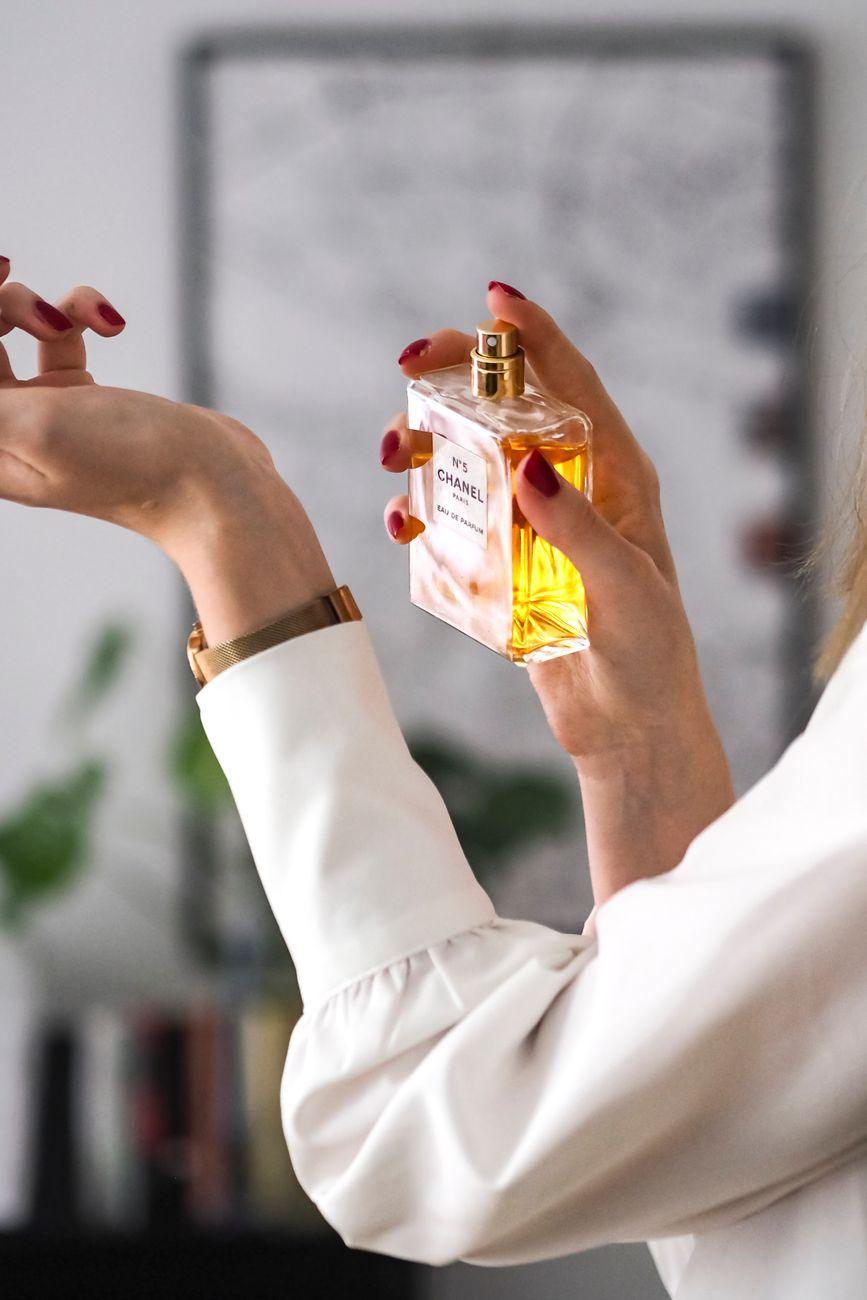
Where You Spray is What You Get: Mastering Your Perfume Application for Long-Lasting Bliss
I used to think perfume was just a spritz-and-go affair, a quick blast before heading out the door. Boy, was I wrong. Applying perfume isn’t just about making yourself smell good; it’s a whole technique that can dramatically alter how long your fragrance lasts. I was genuinely shocked when I realized how much I was leaving on the table with my old, haphazard application methods. It turns out, the placement and method of your spritz are super important, and can make the difference between a scent that fades by lunchtime and one that lingers beautifully all day, even into the evening.
One of the biggest game-changers, and something that still baffles me, is the idea of applying perfume to your hair. Seriously, you can spritz your hair! It’s a fantastic way to create a subtle scent halo around you. The natural movement of your hair disperses the fragrance throughout the day, and it’s surprisingly effective. You don’t need a lot, just a light mist. Just be careful with alcohol-heavy formulas, as they can potentially dry out your hair over time, though most modern perfumes are formulated to be safe. Think of it like a gentle perfume veil.
Don’t underestimate the power of pulse points. These are areas where your blood vessels are closest to the skin, generating heat that helps to diffuse the fragrance. Your wrists, the bends of your elbows, and the back of your knees are prime real estate. Applying a bit of perfume to your ankles can also work wonders, especially if you’re wearing a skirt or dress; as you walk, the scent will waft upwards. It’s a simple concept, but the thermal activity really does make a difference in projection and longevity.
Now, here’s something that drove me nuts for years: rubbing your wrists together after spraying. Please, for the love of all things fragrant, stop doing that! When you rub your wrists, you’re essentially crushing the perfume molecules. This breaks down the top notes prematurely and can actually alter the scent profile, making it smell different – and not necessarily in a good way. It’s a tiny action, but it has a surprisingly significant impact on how the fragrance develops and how long it lasts. Just a gentle press, if anything, or better yet, no rubbing at all.
A less common, but surprisingly effective, method is applying perfume to your clothes. This can give you incredible longevity, as fabric holds onto scent much better than skin. Think about that favorite sweater that still smells faintly of a perfume you wore weeks ago. You can lightly mist scarves, the lining of your jacket, or even your bra straps for a sustained release. However, there’s a definite downside here: you have to be extremely careful about staining. Delicate fabrics or lighter colors can easily be ruined by oil-based perfumes, so this method requires a bit of caution and perhaps a test patch first.
I’ve also heard people suggest applying perfume to their chest, right over their heart. This is a lovely, intimate application point, and the body heat there certainly helps diffuse the fragrance. It creates a beautiful, personal scent bubble that’s noticeable when someone gets close. It’s a bit like a perfume hug for yourself. It’s definitely a more subtle approach than spraying your entire body, and it works well for office environments or situations where you don’t want an overpowering scent.
For those who love a dramatic entrance, or just want their fragrance to last through a marathon event, consider layering. This involves using scented body lotions, shower gels, and then topping it off with your eau de parfum or eau de toilette. While this can definitely boost longevity, it’s also a prime way to accidentally create an olfactory disaster. Mixing clashing scents is a recipe for disaster, so make sure the layered products complement your main perfume. It’s a bit like cooking; you wouldn’t throw random spices together and expect a Michelin-star meal.
The concentration of your perfume matters, too. An eau de cologne is typically the lightest, with around 2-5% fragrance oil, designed for a quick refresh. Eau de toilette has about 5-15%, and eau de parfum usually boasts 15-20%. The strongest is Extrait de Parfum, often around 20-30%, which will naturally last longer regardless of application method. You can find reliable information on fragrance concentration from sources like Wikipedia. It’s not just about where you spray, but what you’re spraying.
Applying perfume to moisturized skin is another key factor that people often overlook. Dry skin acts like a sponge, absorbing the fragrance oil quickly without much diffusion. Applying a fragrance-free lotion or body oil to your pulse points before you spray your perfume creates a barrier that helps the scent adhere and last much longer. Think of it as giving your perfume a sticky note to hold onto, instead of just letting it float away. It’s a simple step that can significantly extend the life of your favorite bottles.
It’s absolutely wild how much impact a few simple changes can have on your fragrance journey. I still catch myself sometimes wanting to rub my wrists, but the memory of how it muddied the scent of my expensive Tom Ford is enough to keep me in line. The reality is, the subtle art of perfume application is as crucial as choosing the right fragrance itself. Don’t just spray your perfume and forget about it; treat it like an intentional ritual.
