Your “Always Ready” Wardrobe: Interview-Ready Outfits That Don’t Scream “Job Interview”
Honestly, finding clothes that work for a crucial job interview and don’t make you feel like you’re wearing a costume the rest of the week can be a real headache. I remember one interview where I wore a suit so stiff, I swear I could hear it rustling every time I moved. I felt like a robot trying to convince someone I was a dynamic hire. The goal is versatility, and thankfully, it’s totally achievable with a few smart choices.
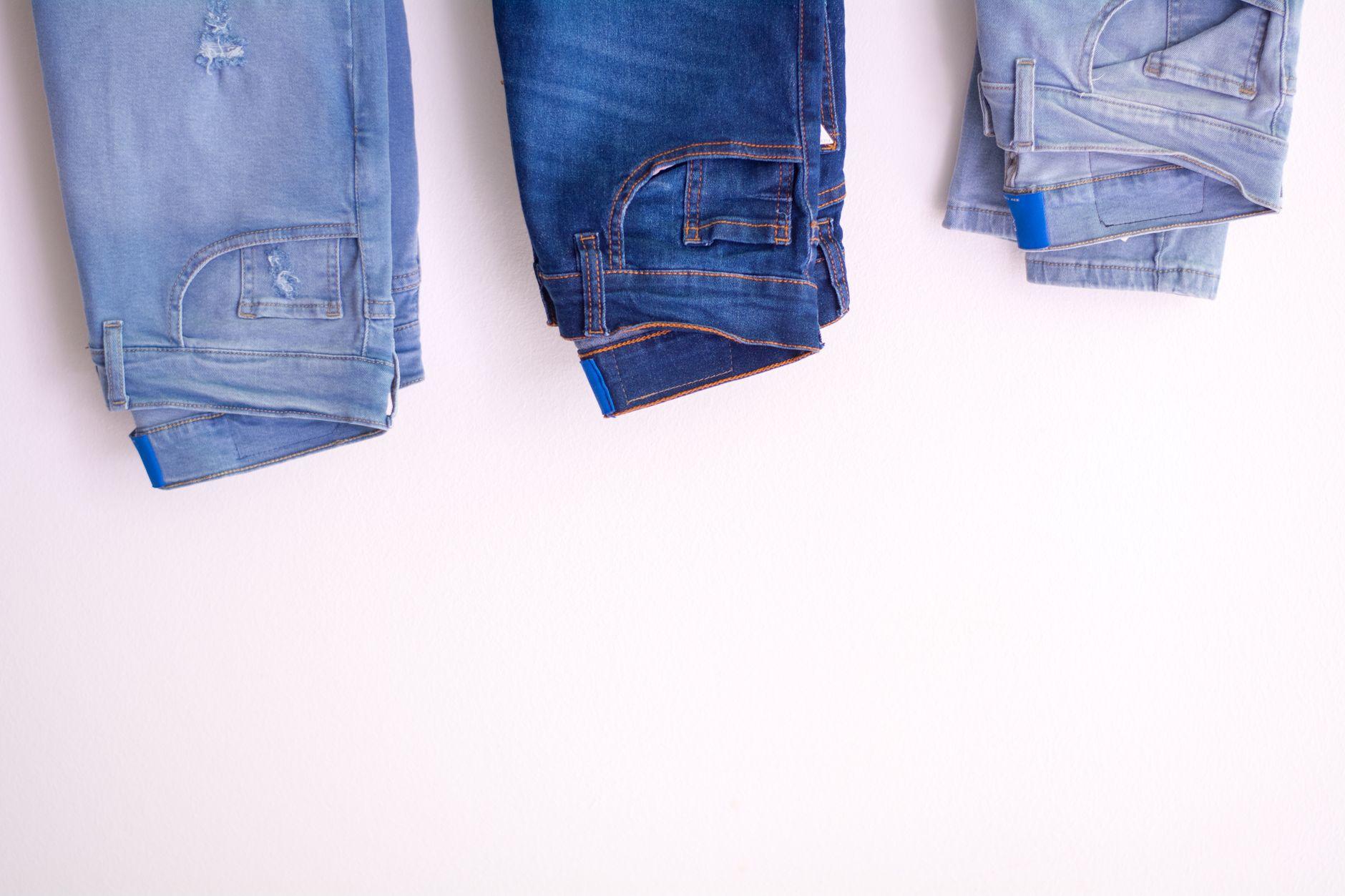
It’s baffling how many people think you need a completely separate wardrobe for professional settings. That’s just not true, and it’s a waste of money and closet space. What if I told you that a great pair of dark wash jeans could actually be interview-appropriate in many modern workplaces? For a less formal field, like tech or a creative agency, a well-fitting, dark wash, non-distressed denim can absolutely work. Pair them with a crisp button-down shirt – maybe a classic white or a subtle stripe – and a smart blazer. That blazer is key; it instantly elevates the whole look. You can grab a decent one for, say, $75 to $150, and it’ll pay for itself in no time.
A well-fitting blazer is probably the single most important piece for bridging the gap between professional and casual. Think of it as your secret weapon. You can throw it over a t-shirt and jeans for a weekend brunch or over a silk blouse for a client meeting. I personally own a navy one that I’ve worn to at least ten interviews and probably fifty social events. It’s a lifesaver, seriously. The trick is to find a classic cut, not too trendy, that fits you well through the shoulders.
Then there are tailored trousers. Forget those baggy, shapeless slacks from back in the day. We’re talking about slim-fit or straight-leg trousers in neutral colors like black, charcoal grey, or even a deep olive. These are perfect for interviews when paired with a blouse or a dress shirt, but they’re equally at home with a cozy sweater for a chilly Tuesday. You can find some really decent options from brands like Everlane for around $90 to $120.
A classic button-down shirt is another non-negotiable. While white is always a safe bet, don’t underestimate the power of a light blue oxford or a subtle pinstripe. These add a touch of personality without being distracting. And here’s a criticism: quality matters with button-downs. A cheap, thin one will wrinkle like crazy and look terrible within an hour. You’ll want to invest in materials like cotton or a cotton blend that hold up better. For interviews, tuck it in; for everyday, you can wear it open over a tank or tied at the waist.
What about dresses? A simple, sheath dress in a solid color is incredibly versatile. You can wear it on its own for a polished interview look, then layer a cardigan or a denim jacket over it for a more relaxed vibe during the week. I’ve seen women pull off a black knee-length sheath dress with heels for a boardroom presentation and then with white sneakers and a leather jacket for a concert. It’s all about the styling. The downside here is that finding a truly flattering sheath dress can be surprisingly difficult; the cut has to be just right to avoid looking boxy.
I’m genuinely surprised by how many people still think closed-toe shoes are the only option for interviews. While I agree you should probably skip the flip-flops, a smart pair of loafers or even some stylish flats can be perfectly acceptable, especially in less formal environments. These are infinitely more comfortable for walking around all day than heels. For everyday wear, they’re a no-brainer. You can find durable and stylish loafers for as little as $50.
My personal opinion? A well-chosen scarf can do more for an outfit than almost anything else. It can add color, texture, and a touch of sophistication. For an interview, a silk scarf tied neatly around the neck can elevate a simple blouse and trousers. On the weekend, that same scarf can be tied to your handbag for a pop of flair. It’s like a little secret styling trick that makes you look put-together.
The trick to making this work is fit and fabric. Even the most basic black t-shirt can look professional if it’s made of a good quality material and fits your body well. No clingy or overly casual styles. The same goes for your jeans. Avoid rips, tears, or anything that looks like you just rolled out of bed. Think elevated basics. You can learn a lot about fabric quality and fit from resources like Investopedia’s guide to understanding textiles.
Ultimately, the idea that you need an entirely separate professional wardrobe is a myth perpetuated by outdated fashion norms. Most of the pieces you’d wear to a job interview can and should be integrated into your daily rotation. So, maybe next time you’re shopping, think about how that blazer or those trousers will work after the interview is over. After all, who wants to save their best outfits for just a few hours of stress?
